Hair & Fragrance
EDT, EDP, Parfum: what the concentration actually changes
The numbers behind the perfume alphabet — how concentration maps to longevity and projection, and why the strongest bottle is not the right one.
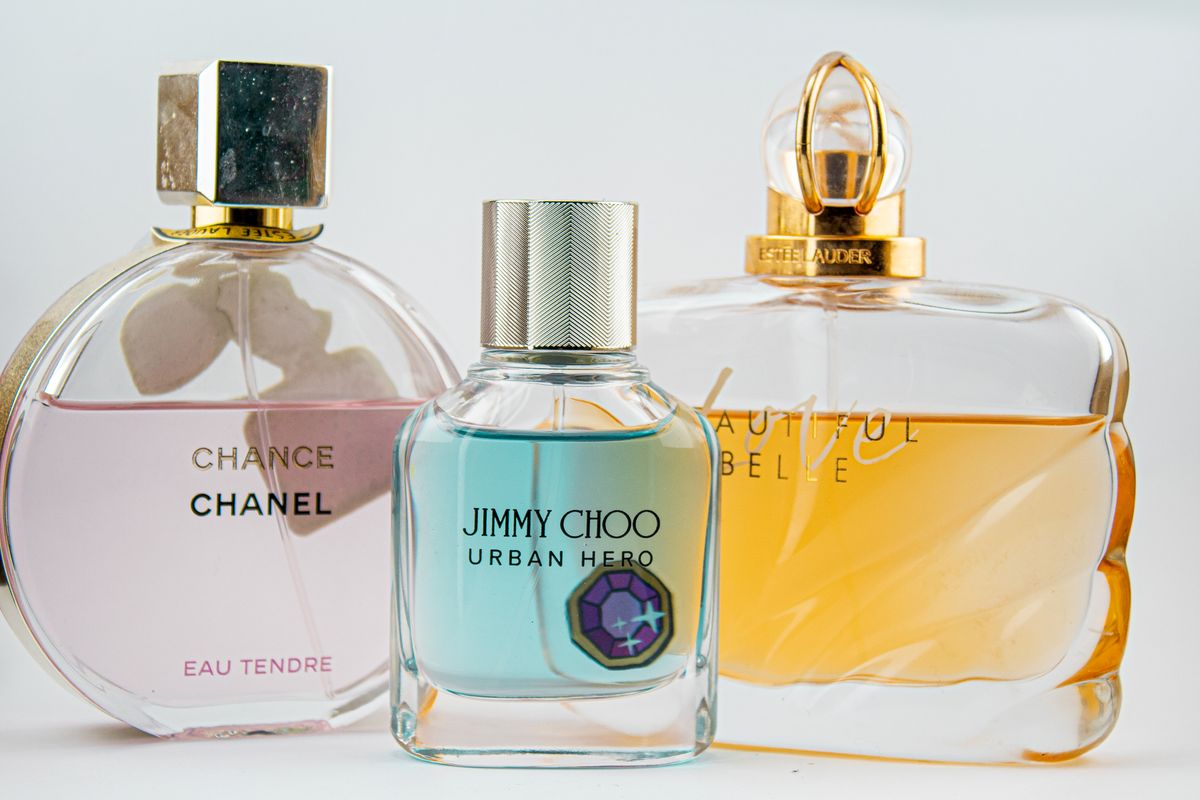
Every fragrance shelf runs on the same alphabet: EDT, EDP, Parfum (sometimes Extrait), with prices climbing and bottles shrinking as the letters climb. The suffixes are regulated loosely and understood imprecisely — so it is worth reading what the concentration number actually changes, and what it does not.
The suffix is a concentration band, not a promise
The letters denote the approximate concentration of perfume oils in the solution: Eau de Toilette typically sits around 5-15%, Eau de Parfum around 15-20%, and Parfum above 20%. These are bands, not standards — no independent body verifies that a given EDP actually contains 18% oils — and houses have always had latitude. A niche house’s “EDT” can out-concentrate a designer’s “EDP.” The suffix describes the formula’s intent, and the label is the brand’s declaration, not a certificate.
What the number moves is the ratio of perfume oils to alcohol, and that ratio drives two things you can observe: how long the scent lasts on skin, and how far it radiates. Higher concentration, longer and farther — as a rule of thumb, with more exceptions than the marketing suggests.
Longevity: real gains, diminishing returns
Going from an EDT to an EDP of the same scent reliably buys you hours; the oil load simply takes longer to evaporate. Going from EDP to Parfum buys less than the price jump implies — evaporation curves flatten, and a Parfum’s extra hours often arrive as a long, quiet skin-scent rather than an aura anyone else notices. If longevity is the goal, the EDP is usually the value point; Parfum pays for depth and richness of the drydown, not for projection across a room.
Skin chemistry muddies every number: dry skin drinks fragrance faster, moisturized skin holds it longer. The same EDP that lasts eight hours on a well-lotioned arm can fade in four on dry skin. This is why the same scent can earn raving and betrayed reviews on the same retail page.
Projection: more concentration is not more politeness
The counterintuitive part of the alphabet: for office and close-quarters wear, the EDT is often the correct tool, not the budget compromise. A scent that radiates for an arm’s length and fades by mid-afternoon is exactly what a shared room wants. The EDP of the same fragrance can fill an elevator; the Parfum can end a conversation. Houses know this — which is why many release their loudest scents in EDT and their richest in Parfum, letting the buyer pick the behavior rather than the “quality.”
Reading a shelf, practically
Same scent, two concentrations, is not an upgrade ladder — it is two different products that share an accord. Try each on skin, not paper, and give both a full day: the EDT will show whether its lighter drydown feels unfinished, and the EDP whether its longer wear turns heavy. The suffix describes what the bottle was built to do. A full day on your own skin tells you the rest.
Frequently asked
- Does a higher concentration always last longer?
- As a rule, yes — but with diminishing returns. EDT to EDP of the same scent reliably buys hours; EDP to Parfum often adds quiet skin-scent time rather than more projection. Skin dryness and application area move the numbers as much as the concentration does.
- Why does the same perfume smell different on friends?
- Skin chemistry, hydration and even diet shift how the same formula develops. Dry skin evaporates fragrance faster; moisturized skin holds top notes longer. This is why testing on paper strips never replaces testing on skin for a full day.
- Is an EDP always better than the EDT of the same fragrance?
- No — they behave differently, not better. The EDT projects more modestly and fades sooner, which is often preferable for office wear; the EDP lasts longer and radiates farther. Choose by the setting you'll wear it in, not by the bigger number.