Makeup
Setting spray vs powder: two mechanisms, one job
Setting spray and powder hold makeup by different mechanisms — film versus absorption — and skin type should pick which one leads the routine.
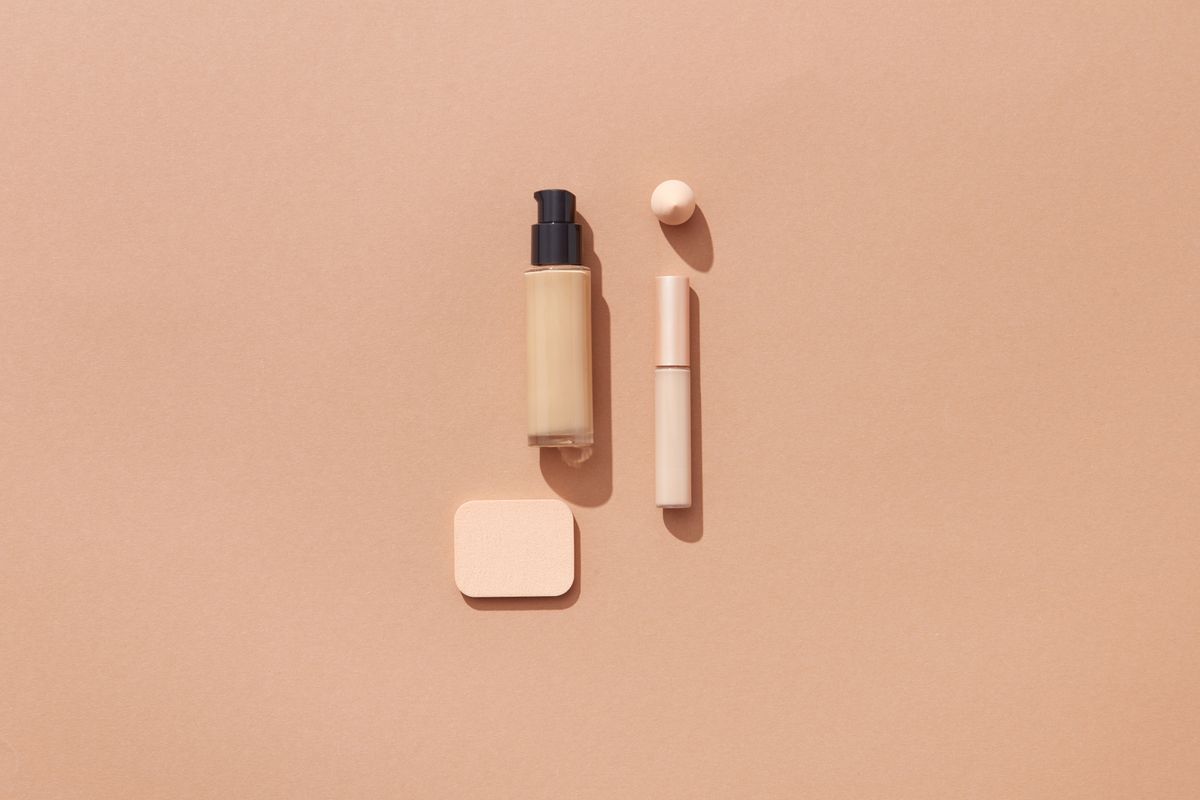
Setting spray and setting powder are sold as interchangeable finishers, but they hold makeup by opposite mechanisms. Powder absorbs oil and physically mattifies the surface; spray lays down a flexible polymer film that locks the layers beneath it in place. Skin type should decide which one leads the routine, and the order of the two decides how natural the result reads.
What powder actually does
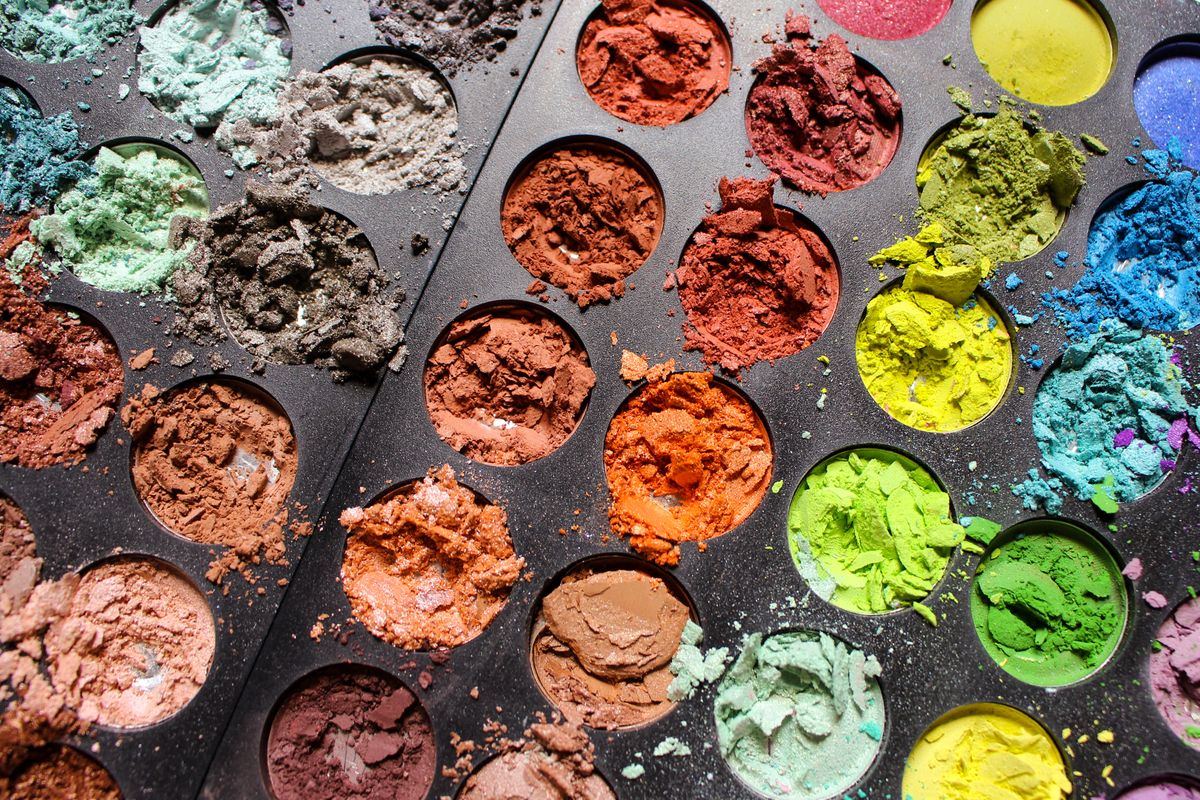
A finely milled powder — silica, talc, or rice starch in most formulas — works by absorption. It soaks up the sebum that would otherwise dissolve the makeup sitting on top of it, which is why it is the only one of the two that can genuinely stop a shine breakthrough. The trade is mechanical: the same particles that absorb oil also scatter light and add texture, so heavy application settles into fine lines and dry patches and flattens a dewy base. Loose powders are lighter and sheerer; pressed powders travel and press harder. The choice of powder also interacts with the base beneath it — a matte foundation under matte powder goes flat fast, a mismatch our guide to foundation finishes covers by skin type.
A polymer veil, not an oil absorber
A setting spray is a film former: polymers that dry into a thin, flexible veil over the makeup, holding pigment particles against the skin and adding a little water resistance. It absorbs no oil, which is the honest limit of the category — on an oily face, a spray alone will still sheen through within hours. Application matters as much as formula. An arm’s-length mist, around fifteen to twenty centimeters, deposits an even film; a close-range burst pools it in sticky patches. Water-based mists that contain no film former feel pleasant and set nothing, a distinction our facial mists guide draws in the skincare context.
Skin type picks the lead
Oily skin should build the routine around powder: it is the only product that removes the oil that breaks makeup down, so it goes wherever shine arrives, and the spray becomes an optional final layer. Dry and mature skin should invert that — powder only where it is strictly needed, if at all, with the spray or a well-prepped base doing the holding, because powder’s texture cost lands hardest on lines and dry patches. Combination skin gets the zone split: powder across the T-zone, spray over the whole face to even the finish. Choosing by mechanism instead of by trend is the same logic our blush placement guide applies to cream versus powder finishes.
Order and the touch-up split
The order that reads most natural runs makeup, then a light powder pass on oily zones, then a fine mist to melt the powder’s cast and lock everything together. Reversing it — spray first, powder on top — still works but leaves the oil-absorbing layer outside the film, where it has less to bond to. Touch-ups split the same way by mechanism: shine is a powder problem, solved with a pressed compact and a blot first; sliding or transfer is a film problem, solved with a mist. Reaching for the wrong one explains most midday touch-ups that seem to make things worse.
One absorbs oil, one forms a film, and neither substitutes for the other on the wrong skin type. Pick the lead by where your shine comes from; the second stays a finishing layer, and the two products stop competing for the same job.
Frequently asked
- Should I use setting spray before or after powder?
- After, in most routines. Powder placed over makeup absorbs oil and mattifies the surface; a light mist afterward lays a flexible film over it, softens any powdery cast, and locks the layers together. The reverse order puts oil-absorbing powder on top of the film, where it has less to hold.
- Does setting spray work on oily skin?
- On its own, not for long. Sprays hold pigment in place but absorb no sebum, so oil still breaks through the film on an oily face. Oily skin does best with powder as the lead product and the spray as a finishing layer, while dry skin can often skip powder entirely.
- Can I skip setting powder if my skin is dry?
- Usually yes. Powder's only job is absorbing oil, and dry skin rarely has enough of it to justify the texture powder can add to lines and dry patches. A film-forming spray, or simply a well-prepped base, holds makeup adequately for most dry-skin days.