Makeup
Undertone and the wrist test: what actually predicts a match
The wrist-vein test misreads almost everyone — why the vein, jewelry and white-paper tests fall short, and what a brand's own shade codes tell you instead.
The wrist-vein test is the most repeated piece of shade-matching advice in base makeup, and it is the least diagnostic. Look at your veins, it says: blue means cool, green means warm. The trouble is that nearly everyone’s veins pass through both readings depending on lighting, skin depth and how much yellow sits in the surface. The reliable anchors are less poetic than a vein but far more predictive: the brand’s own shade system, and the jawline.
Why the vein test can’t work
Veins carry deoxygenated blood, which is dark blue-purple in essentially everyone. What varies is not the blood but the optics above it: skin thickness, vessel depth, and the amount of yellow pigment layered over the vessel. Yellow skin over a blue vessel is exactly what produces a green reading — so “green veins” does often indicate warmth, but “blue veins” can mean cool undertone, thin skin, or deeper skin where vessels show less contrast. The signal is asymmetric: one side of the scale misfires while the other sort of works. A test that misreads half its own outcomes cannot sort anyone into a category, and the swap from wrist to inner arm changes the answer again because the skin there is thinner.
What jewelry and paper actually measure
The silver-versus-gold jewelry test and the white-paper test are contrast experiments, not physiology. Hold white paper beside the face and the skin reads sallow or pinkish by comparison; switch between silver and gold and one metal flatters by warming or cooling the reflection. These are closer to what foundation actually does — sit next to your skin and shift how it reads — but they conflate undertone with depth and saturation. Sallow next to white can mean warm undertone, or olive, or a bad week. Both tests are useful at the edges and weak in the middle, which is precisely where most people sit.
The shade system is the instrument
The working instrument is the one brands already built: their own shade codes. Estée Lauder codes each Double Wear shade by depth plus a W, N or C undertone letter; L’Oréal Paris runs numbered depth scales with named undertones across its lines. Within one brand’s chart, the scale is systematic — walk across it and the undertone letters do the sorting the veins would not. That is also why shade numbers do not transfer between brands: a 30 in one line is a different color in another, and comparing across systems is the same category error as comparing prices per bottle instead of per gram.
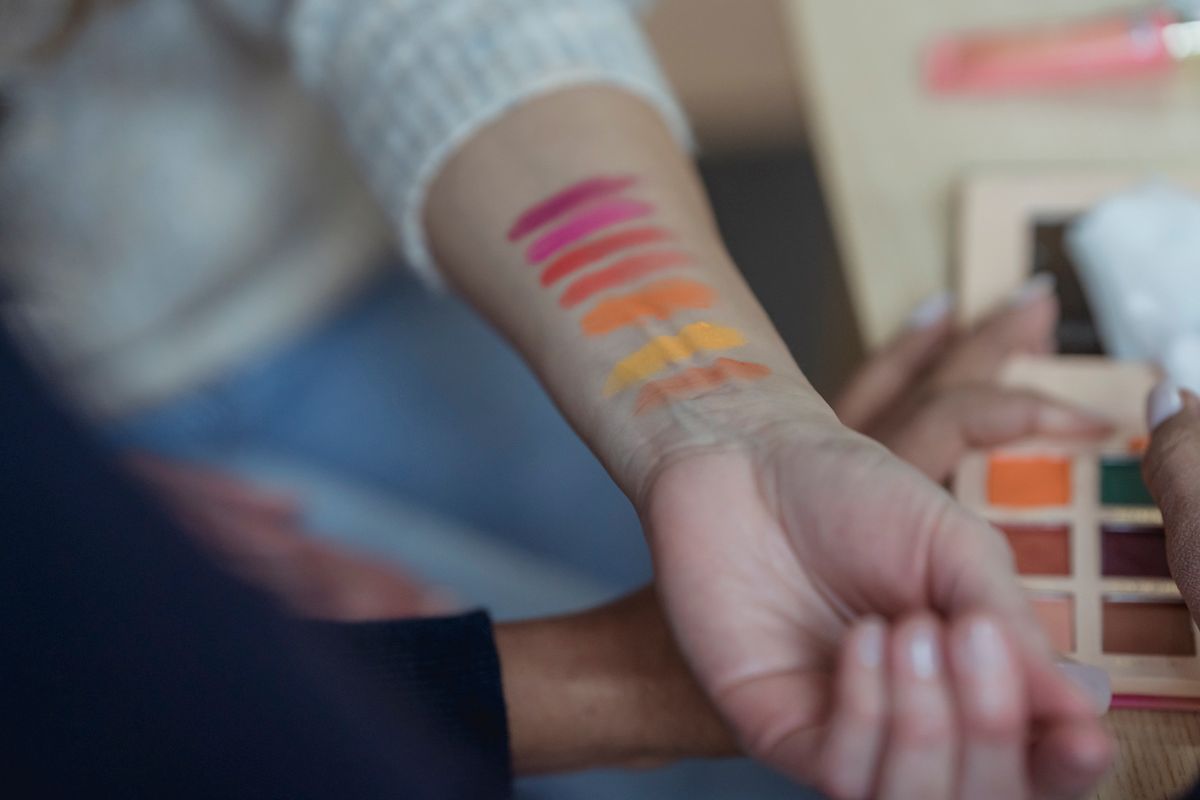
Swatch where it will live
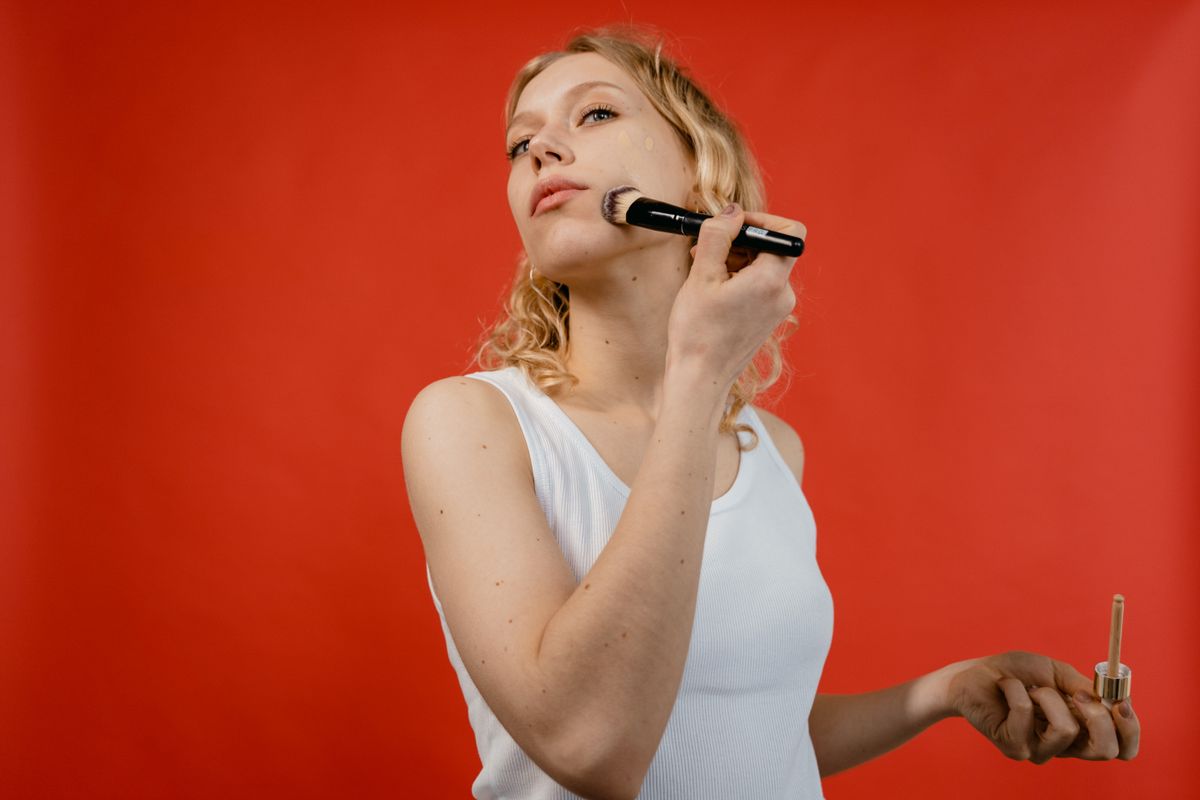
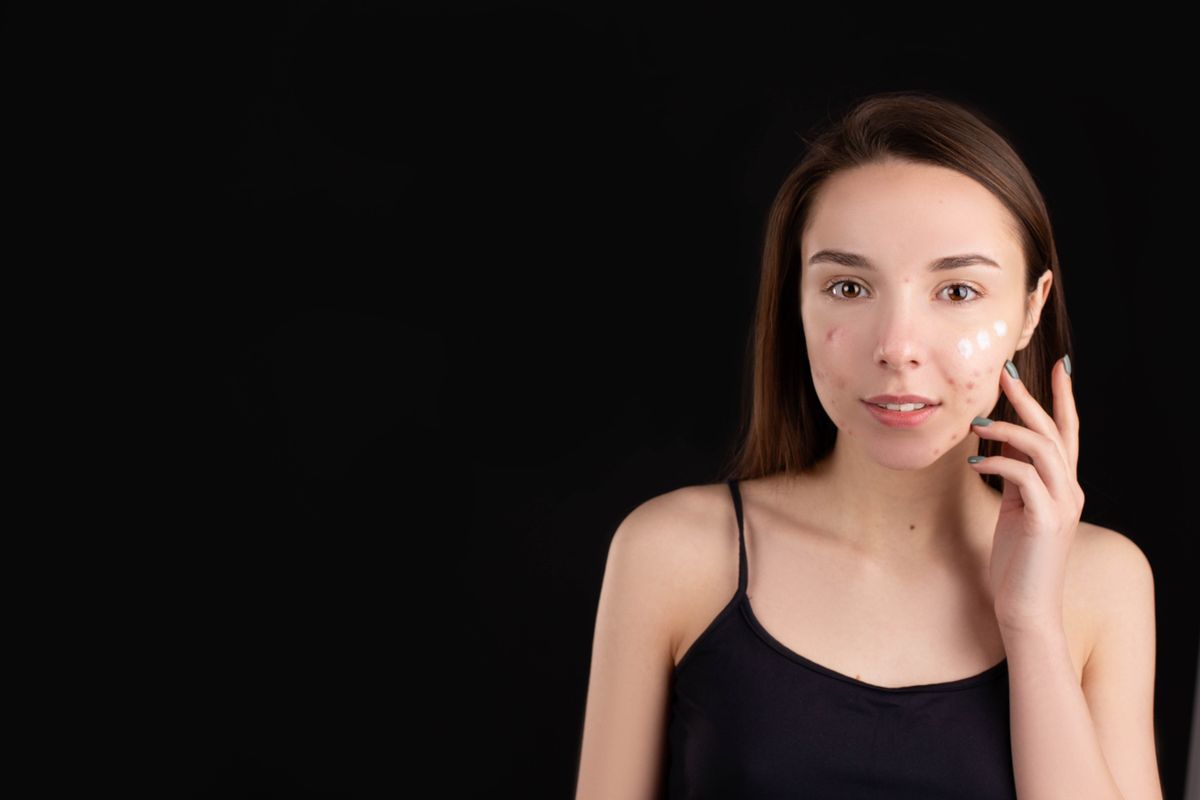
Hands are the worst place to test foundation — different sun exposure, different skin thickness, different color than the face. Swatch two candidate shades along the jawline, blend the edge, and check in daylight after a minute; the correct shade disappears. That single habit, plus one brand’s own chart, replaces every folk test on the list — and the same daylight discipline pays off when you move on to color, not just base. The same logic runs in blush — the placement and shade-chart guide picks it up — and finish changes the answer on oily versus dry skin, which the long-wear foundation comparison covers. The makeup hub keeps the rest in one place. Match on the jaw, in daylight, and the folk tests can retire.
Frequently asked
- How can I tell if my undertone is warm or cool?
- Treat the jewelry and white-paper tests as evidence, not verdicts, then confirm against a brand's own shade chart: pick two shades one depth step apart with different undertone letters, swatch both on the jawline, and let daylight decide. The in-brand system does the sorting the wrist test cannot.
- Does the wrist vein test ever work?
- Only at the extremes, and never reliably. The signal is asymmetric — green-reading veins often do indicate warmth, but blue-reading veins can mean cool undertone, thin skin, or deeper skin where vessels show differently. A test that misreads one side of its own scale is not a diagnostic.
- Should foundation match your face or your neck?
- Match the face and blend toward the neck. Faces get more sun exposure and often read one step different from the neck; a foundation matched to the neck can sit visibly pale or dark where it actually gets worn. The jawline swatch lets you check both zones at once.