Body & Bath
Body acids by family: PHA, lactic and salicylic for the right problem
Gluconolactone, lactic acid and salicylic acid solve different body problems — matching each family to keratosis pilaris, back acne and rough, bumpy skin.
Body skin gave us the phrase “thicker skin,” and it means it: the trunk tolerates concentrations and frequencies that would send facial skin into protest. But the body-acid shelf is not one product with three spellings — PHA, lactic acid and salicylic acid are three different chemical families, and the condition you are treating decides the family, not the marketing.
The three families, mechanically
Lactic acid is an alpha-hydroxy acid: water-soluble, works on the surface, and unusually for an exfoliant also a humectant — it pulls water as it loosens dead cells, which is why it dominates body lotions. Gluconolactone, the PHA, is lactic’s larger, slower cousin: the big molecule penetrates less at once, so it stings less, and it doubles as a humectant and mild antioxidant. Its trade is pace — gentler means slower. Salicylic acid, the lone beta-hydroxy acid, is oil-soluble and cuts through sebum into the follicle, which is the only one of the three that meaningfully works inside a clogged pore. Surface roughness, surface-plus-dryness, and in-the-pore problems: three families, three jobs.
Keratosis pilaris and chicken skin: lactic first
The bumpy upper-arm texture known as keratosis pilaris is a follicular plug problem on dry skin, and the published field centers on lactic acid — the classic 12% lotions were built for this. Lactic dissolves the plug while hydrating the surrounding skin; urea, which shares the humectant trick and gets its own breakdown in our hand cream guide, is its natural partner. PHA earns a place for skin that finds 12% lactic too stingy, accepting slower progress. Consistency beats intensity: two or three evenings a week, moisturized after, outperforms a heroic weekend purge.
Back acne: salicylic’s home ground
Breakouts on the back and shoulders live inside follicles fed by oil, which is salicylic acid’s specialty — it enters the pore, unlike the water-soluble AHAs that stay on the surface. Body washes built on it (the CeraVe SA line is the shelf standard) suit broad, awkward terrain better than spot treatments. Two practical notes: give a wash a minute of contact before rinsing, and switch to a PHA lotion on nights the salicylic feels stripping, since back skin treated too aggressively trades bumps for flaking.
Sequencing with scrubs, and the patience clause
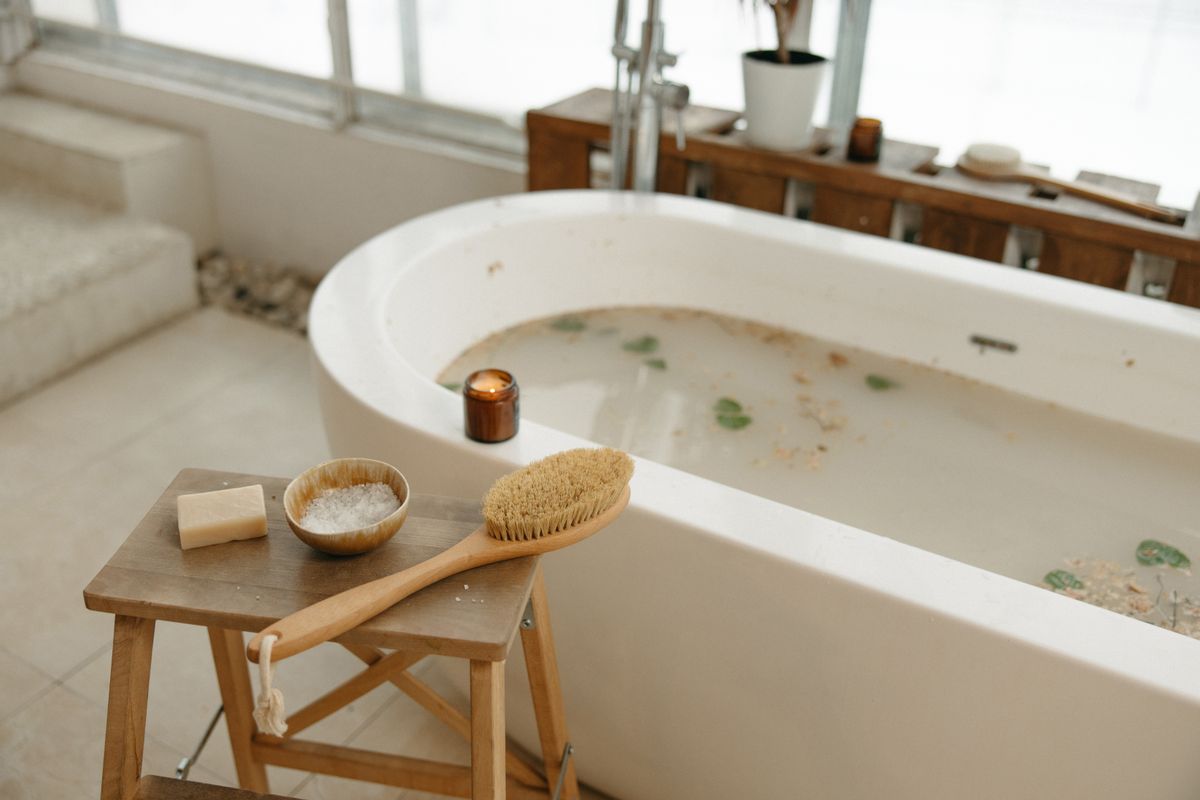
Physical scrubs and acids both remove the dead-cell layer, so the schedule, not the combination, is the discipline. Acid nights stand alone; a scrub, if you keep one, sits on a separate day at most weekly. And moisturizer after every exfoliating session is not optional on the body, where the treated area is square feet, not square inches; our bath guide’s soak-and-seal logic applies directly. Sunscreen still matters for exposed areas — acids lower the threshold for sun irritation, summer shoulders included.
The short version: lactic for KP and dry roughness, salicylic for back acne, PHA for sensitive skin that wants in slowly. Choose the family by the condition, then let weeks — not days — do the judging.
Frequently asked
- Which acid is best for keratosis pilaris?
- Lactic acid and urea lead the published field — the 12% lactic acid lotions built for body use exist precisely for this. Lactic acid loosens the keratin plugs inside follicles while pulling water into the skin, which matters because KP skin is both clogged and dry. Salicylic acid helps some people; PHA alone is usually too mild for established bumps.
- Can I use a body scrub and an acid lotion together?
- Not on the same day, and after a few weeks of acids you rarely want the scrub at all. Both remove the same dead-cell layer; stacking them is how barrier damage starts. The practical rhythm is acids on their own evenings, a physical scrub at most weekly if you enjoy it, and moisturizer after every session either way.
- How long until body acids show results?
- Plan on four to eight weeks of consistent use, because body skin renews more slowly than facial skin and the treated areas are large. Roughness softens first, then bump counts drop. If nothing has changed by week eight at two or three sessions weekly, the family or the strength is the variable to change, not the patience.