Skincare
Ceramide barrier creams: the ratio with evidence, the claims without
Barrier repair has real data behind ceramide-dominant lipid blends. Where the science ends, where the marketing starts, and how to read a cream's label.
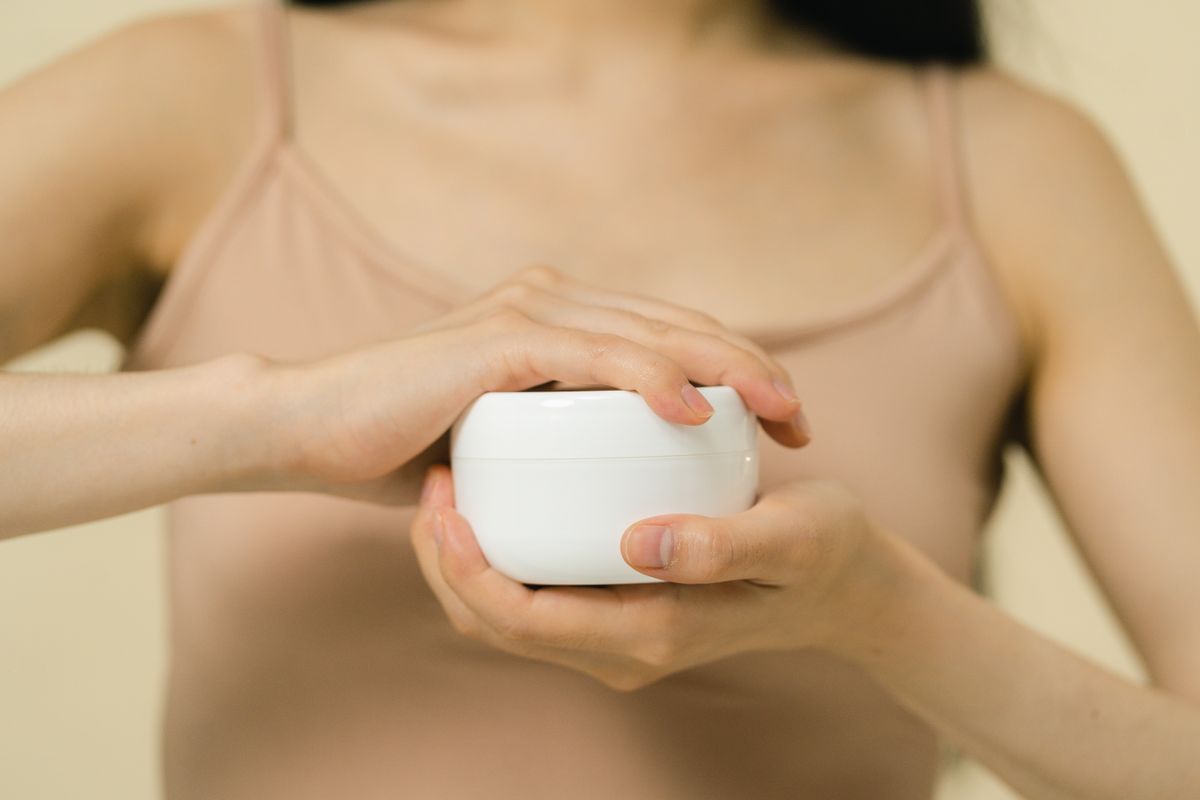
“Barrier repair” is the most profitable two words in skincare, and ceramides are the reason they appear on everything from drugstore tubes to $90 jars. The ingredient has a legitimate research base — what the labels imply about it does not always follow. Here is what the evidence supports, and how to tell it apart from what it merely permits, in ten seconds at the shelf.
The lipids, and the ratio
The skin barrier is often described as bricks and mortar: corneocyte cells are the bricks, and a lipid blend of ceramides, cholesterol and fatty acids is the mortar. The landmark published work — much of it from Elias and colleagues — showed that barrier synthesis depends on all three classes in balance, and that a ceramide-dominant blend, roughly a 3:1:1 molar ratio, repairs experimentally damaged barriers faster than single lipids or arbitrary mixes. That ratio is the honest core of the category. A cream naming all three lipid classes in sensible proportions is making a claim with a literature trail. A cream naming ceramides alone is doing something gentler and less specific.
Three claims with data behind them
Three claims survive contact with the data. First, supplementing barrier lipids improves measured barrier function — reduced water loss, faster recovery — in dry and compromised skin, which is why dermatology guidance for eczema-prone skin centers on these creams. Second, people with dry skin and conditions like eczema show measurable differences in their natural ceramide profile, so topping up is not a random act. Third, multi-lipid formulas outperform simpler moisturization in those studies. Note what is missing: brightening, anti-aging, acne. Ceramide creams support the barrier, and the honest labels do not pretend otherwise.
Where the marketing outruns it
The gap opens in the details. Product labels rarely state ratios or percentages of the lipid classes — a “with ceramides” badge can mean a meaningful blend or a dusting at the end of the ingredient list. Position in the list is the free clue: ceramide NP, AP or EOP appearing in the first half of the ingredient list is a different proposition from a token entry after the preservatives. Marketing also loves to invert causality — ceramide creams help compromised barriers feel and function better, which is not the same as erasing wrinkles or curing sensitivity. And “identical to skin’s own lipids” is always an overstatement, since skin makes over nine ceramide classes and formulas typically carry three.
The shelf, read practically
Mainstream examples show the spectrum. CeraVe PM Facial Moisturizing Lotion is the reference cheapie: three ceramide types plus cholesterol and fatty acids, with niacinamide and hyaluronic acid in support, priced for daily use. Dr. Jart Ceramidin plays in the mid-premium tier with a higher-funded texture and a five-ceramide story; the premium is sensory. Between and beyond them, the practical filters are the same: all three lipid classes named, ceramides high enough in the list to matter, fragrance low or absent for genuinely reactive skin. For where a barrier cream sits in a routine, our guide to layering actives in order covers sequencing, and our niacinamide percentage map covers the other half of the barrier-support aisle.
Ceramide barrier creams have one of the stronger evidence bases in skincare — for barrier recovery, dryness and comfort, within a defined lipid-blend logic. Read for the three lipid classes and the ingredient-list position, distrust the front-panel promises that drift beyond comfort and hydration, and the category delivers almost exactly what the science says it can.
Frequently asked
- What is the evidence-backed ceramide ratio?
- The landmark barrier studies used a ceramide-dominant physiologic lipid blend, roughly a 3:1:1 molar ratio of ceramides to cholesterol to fatty acids. Skin makes its own barrier lipids in roughly those proportions, and formulations approximating the blend outperformed single-lipid creams in those experiments.
- How long does a barrier cream take to show results?
- Surface comfort — less tightness, less stinging from water — improves within days because the occlusive and humectant fractions work immediately. Rebuilding measured barrier function, like water-loss readings after a compromised state, shows up over one to four weeks of twice-daily use in published work.
- Are ceramides in a moisturizer the same as skin's own?
- Close but not identical. Skins barriers contain nine or more ceramide classes with distinct chain structures; topical formulas typically use a few synthetic or yeast-derived types such as ceramide NP, AP and EOP. They integrate into the barrier in studies, but they are a simplified stand-in, not a replica.