Skincare
Niacinamide percentages: the 2-5% evidence zone vs the shelf
Published niacinamide research clusters at 2-5%, yet serums now advertise 10-20%. What the studies actually support, and why higher is not better.
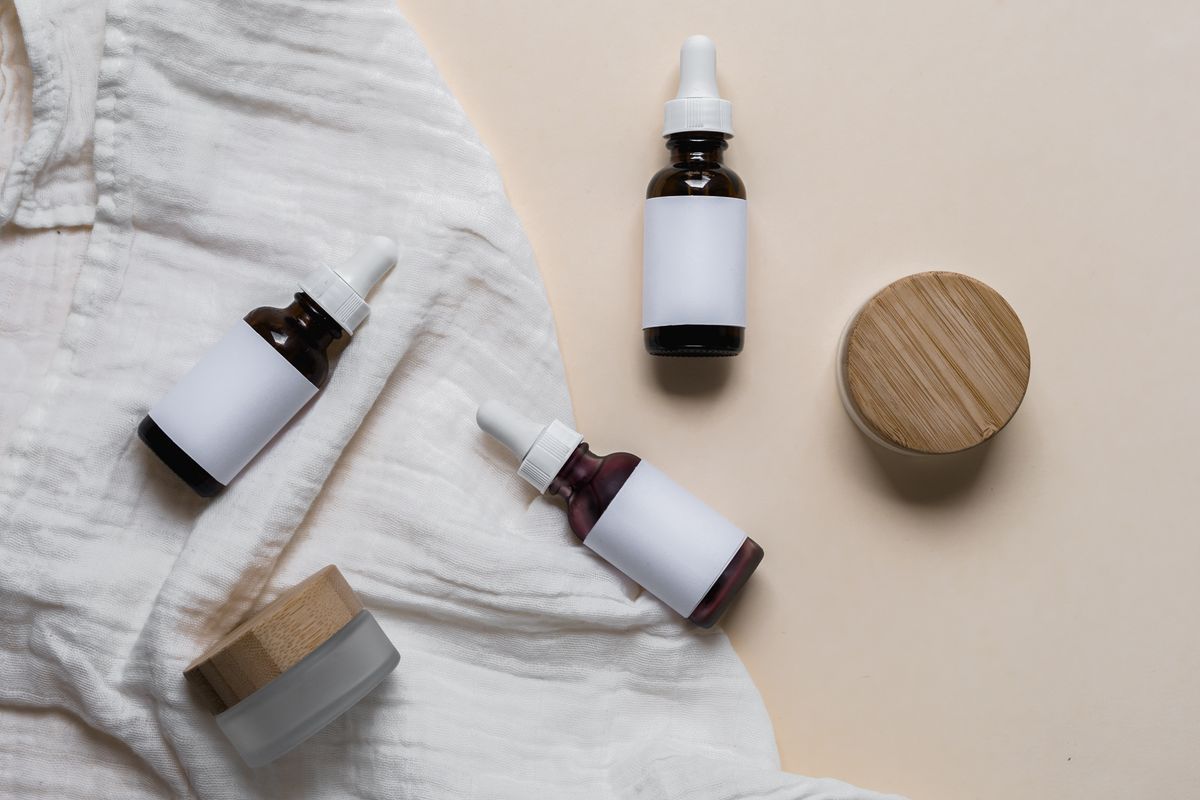
Niacinamide is the clearest case in skincare of the evidence and the shelf drifting apart. The published work that made the ingredient famous tested it between 2% and 5%. Walk a serum aisle today and the labels read 10%, 12%, even 20%. Nothing in the literature says those numbers do more. This is a map of what each percentage zone actually has behind it.
The evidence zone: 2-5%
The 5% figure is the anchor: the frequently cited double-blinded trials on hyperpigmentation and fine lines used topical niacinamide at 5%, and 5% is also where tolerance data is thickest. At 2%, published work covers sebum regulation and barrier measures — transepidermal water loss and ceramide synthesis — with visible-but-modest effects. In between, roughly 4% shows up in barrier-support studies. Every one of the ingredient’s headline claims has support inside this narrow band. That is the whole evidence map, and it is worth stating plainly: no published head-to-head shows 10% beating 5% at anything.
Why the shelf runs hotter
The race upward is formulation economics, not efficacy data. Concentration is the cheapest way to differentiate a bottle that otherwise contains the same vitamin, and “10%” reads as twice the value of “5%” to a shopper scanning a shelf. There is also a formulation argument that is legitimate but narrower than advertised: higher niacinamide loads let brands cut the supporting humectants and sell a minimal, water-thin serum. What you cannot get from the label is more effect — only more of the reason some people flush at 10% and above.
Reading the fine print helps. The Ordinary 10% Niacinamide + Zinc 1% is the best-known exponent of the high-number school, and its own page describes it as a treatment-grade formula for blemish-prone skin — a different brief from the barrier-and-tone work the 5% trials measured. The percentage is true; the implied comparison is not.
Tolerance: where higher starts costing
Niacinamide’s tolerance record is genuinely good, which is why it slots into so many routines. But the tolerance data that exists was generated in the 2-5% zone. Consumer reports of flushing and stinging cluster at 10% and above — consistent with any active getting more aggressive as its concentration rises past the tested range. If your skin has complained about a niacinamide serum, the probability is that you are using one of the high-number formulas, and stepping down to a 5% product is the single most likely fix. How actives are sequenced in a routine changes irritation risk too — see our guide to layering actives in order.
How to shop the number
Two practical rules. First, buy the claim you want: barrier support and sebum control are 2-4% territory, tone and fine lines are 5% territory, and nothing currently requires a double-digit bottle. Second, read the whole label, not the number — a 5% formula with ceramides and glycerin does different work than a naked 10% serum, and for many skin types the company an ingredient keeps matters more than its percentage. That trade is covered in our ceramide barrier guide, and the broader shelf logic in our skincare hub.
The verdict: niacinamide’s reputation was earned at 2-5%, and every headline claim still lives there. Concentrations above 10% are a formulation choice and a marketing position, not a step up the efficacy ladder. If a high-number serum suits your skin and your budget, fine — just know you are buying the label, not the literature.
Frequently asked
- What percentage of niacinamide do the studies use?
- The frequently cited published work sits between 2% and 5%: 5% for hyperpigmentation and fine lines in the commonly referenced trials, 2% for sebum and barrier measures, with some barrier data at 4%. That zone is where the evidence lives, not the marketing ceiling.
- Is 10% niacinamide harmful?
- Not in the sense of being dangerous — niacinamide has a good tolerance record — but higher concentrations are where flushing and stinging reports cluster, and no published work shows that 10% outperforms 5%. You pay for the number and absorb the irritation risk without an evidence dividend.
- Can niacinamide be mixed with retinol or vitamin C?
- Niacinamide pairs comfortably with both. It is used in retinol formulas precisely to offset barrier irritation, and the old claim that it destabilizes vitamin C came from heated storage tests, not from a serum at room temperature on your shelf. Apply in any order; the routine matters more than the sequence.