Skincare
Facial oil versus cream: sealing is not the same as moisturizing
A facial oil reduces water leaving the skin; it adds no water. Creams deliver both phases, plus an emulsifier. Where oil earns its place, and when it clogs.
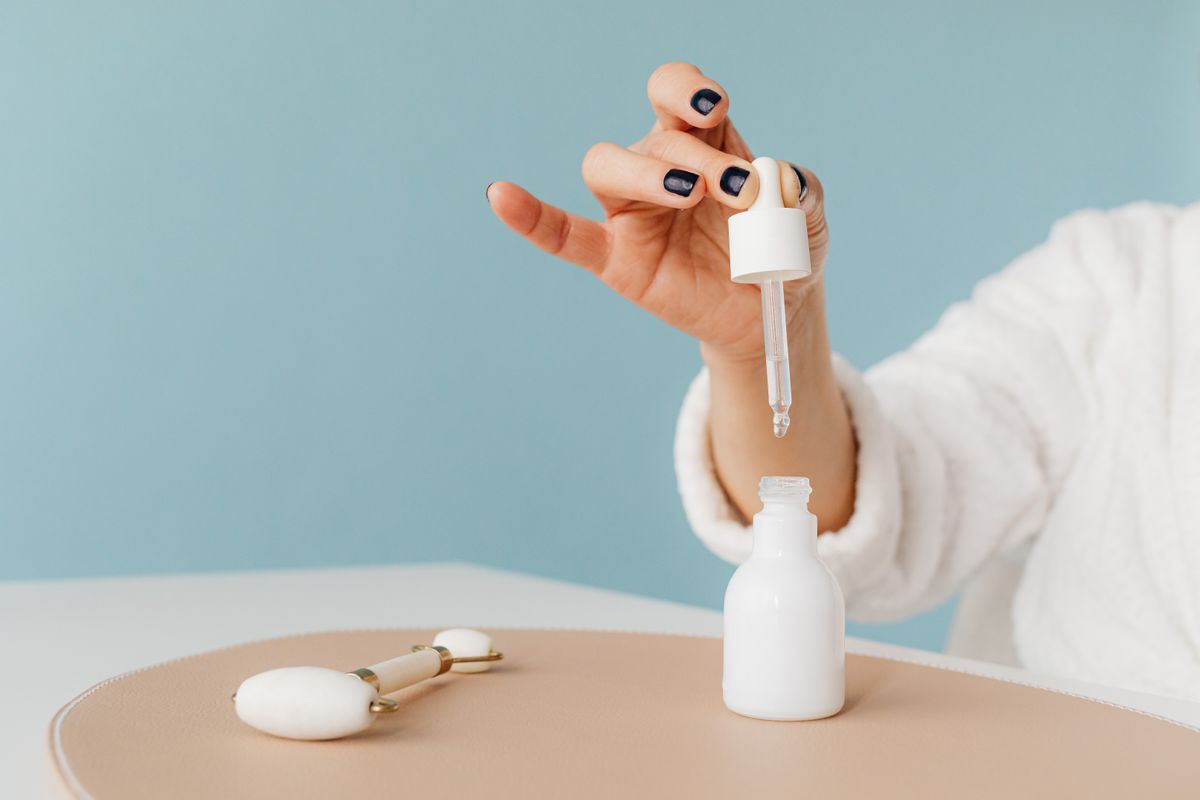
The facial oil category grew on a sleight of language: oils are “moisturizing” in the everyday sense, but in the technical sense they do the opposite half of the job. An oil slows water escaping the skin. It adds none. That single distinction explains when a facial oil helps, when it does nothing, and when it backfires.
The half of the job an oil does
Skin’s moisture problem is not a shortage of oil on the surface — it is water leaving through it, a process dermatology literature calls transepidermal water loss. A facial oil spreads into a hydrophobic film that slows that exit, which is exactly what occlusives like petroleum jelly do more aggressively, as our slugging guide covers. But the film contains no water, so skin that is already dry stays dry underneath, just more slowly dehydrated. This is why squalane — an emollient oil closely matched to skin’s own lipids, and not the same thing as the squalene your skin makes, a distinction we unpack in the squalane versus squalene piece — feels lovely on damp, hydrated skin and does almost nothing noticeable on a dry face.
Cream supplies what oil cannot
A cream is an emulsion: a water phase carrying humectants like glycerin, an oil phase sealing it in, and an emulsifier holding the two together. That structure does three things an oil cannot — delivers water-binding ingredients, supplies emollients between surface cells, and slows water loss. It is the more complete format, which is why the American Academy of Dermatology’s moisturizer guidance centers on creams and ointments rather than pure oils for dry skin. The trade is texture: emulsions feel lighter and sink in, while oils sit visibly on the surface. Neither is a scam; they are different halves of one job.
The oil goes on last
The correct position for a facial oil is last. Applied over a still-damp moisturizer, it locks the water the routine just delivered — the same closing-layer logic as the winter version of this routine in our winter barrier guide. Three or four drops pressed, not rubbed, across the face is plenty; more just sits there expensively. Morning users should note that an oil layer under sunscreen can dilute the film and interfere with how it sets, so most published brand guidance keeps oils for evening.
The comedogenic rating is a weak signal
Those 0-to-5 clog scales circulating online come mostly from tests on raw ingredients applied inside rabbit ears decades ago — not from finished formulas on human faces. Formulation changes everything: coconut oil rates high as an ingredient, yet appears in cleansers people with oily skin use daily without trouble, because a washed-off emulsion behaves nothing like a neat oil left on skin. Treat the scales as a rough starting guess, patch test for two weeks, and judge by your own skin’s verdict rather than a table.
Oil is the lid, not the meal. Over a cream it earns its place; on bare skin it just locks in whatever was already there.
Frequently asked
- Can facial oil replace moisturizer entirely?
- Not for most people. An oil has no water phase, so it cannot hydrate the skin on its own — it only slows the water that is already there from leaving. Applying oil to dry, unhydrated skin seals dryness in place. The workable version is layering: a water-based moisturizer first, oil on top as the seal. Skin that is very oily on its own is the main exception.
- Should facial oil go on before or after moisturizer?
- After. The general rule is thin before thick, and the oil is the thickest, most occlusive layer in the routine — putting anything over it mostly means the cream sits on top without reaching the skin. A few drops pressed over a still-damp moisturizer at the end of the routine is the standard published usage direction from brands that sell both.
- Which facial oils are least likely to clog pores?
- No rating answers that with certainty, which is the honest starting point. Older comedogenic scales put mineral oil and squalane low on the list and coconut oil high, but those numbers come from tests on raw ingredients, not finished formulas. In practice, lighter oils like squalane and jojoba tend to suit breakout-prone skin better than dense coconut or wheat germ oils, and a two-week patch trial beats any table.