Makeup
Lip care before lipstick: priming, SPF, and the case against peeling
Lips have no sebaceous glands, so dryness is structural. How a pre-lipstick balm, daytime SPF, and a nightly occlusive layer change comfort and color payoff.
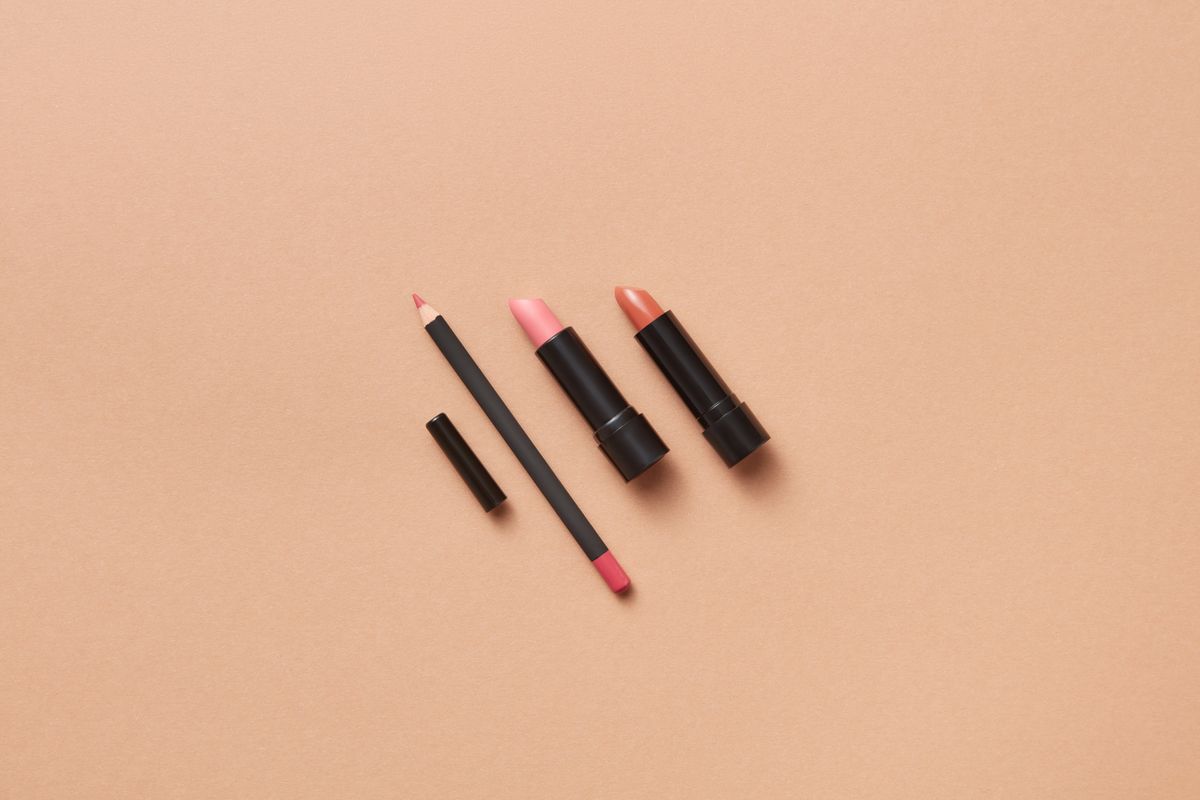
Lips are the one part of the face with no sebaceous glands, which means they produce none of the oil that keeps the rest of the skin surface from drying out. Dry lips are not a sign of bad luck or bad balm; they are structural. That single fact reorganizes lip care: the goal is not finding a miracle product but compensating, on schedule, for an area that cannot maintain its own film.
Priming before lipstick
Lipstick applied to dry, flaking skin catches on every rough patch, which is why color goes on blotchy on exactly the days lips feel worst. A thin layer of balm ten minutes before application softens those patches and evens the surface. Then comes the step most people skip: blotting. Balm left thick on the surface gives a lipstick nothing to grip, so color feathers past the lip line and fades from the center by midday.
The texture rule is simple. Matte formulas need the thinnest possible cushion and the driest surface; satin and cream finishes tolerate more slip. Long-wear liquid lipsticks are the least forgiving — they seal over whatever is underneath, flakes included.
SPF and the case against peeling
The lower lip takes sun on every outdoor hour, and dermatology sources have flagged lips as an overlooked site for sun damage for years. A balm or product with SPF covers it, and tinted SPF versions solve the “I already have lipstick on” objection. It is the least glamorous step in the routine and the one with the longest payoff.
Flaking skin asks for patience, not fingers. Picking a loose flap tears it below the surface, and the inflammation that follows leaves the spot red and primed to flake again — a loop that can run for weeks. Loose skin comes off in the shower with a washcloth, or dissolves under the overnight treatment below.
The overnight thick layer
Daytime balm is thin and frequently reapplied because talking and coffee remove it. Night removes nothing, which is why the heavy product belongs after lights out. A plain petrolatum ointment, a lanolin-based balm, or a dedicated sleeping mask in the Laneige style sits on the lips for hours, softening flakes that would otherwise survive until morning.
One layer is enough; a thick coat that migrates onto the pillow wastes product either way. Lips that still crack at the corners despite weeks of this deserve a clinician’s look rather than another balm purchase.
Four habits, no new purchases
The whole system is four habits: balm-and-blot before color, SPF during the day, no picking, a thick layer at night. No step needs a purchase the makeup bag does not already cover, and the same label-reading habit that governs the rest of the kit applies here — the guide to lipstick finishes explains how finish choice changes how much cushion the priming layer should give, and the guide to makeup expiry dates flags when a lip product itself has become the problem.
Frequently asked
- Why do my lips peel even when I use balm daily?
- Balm treats the surface, but several forces work against lips constantly: mouth breathing, low humidity, lip-licking habit, and friction from food and cups. Some peeling is also normal turnover. If cracking concentrates at the mouth corners, or flaking persists despite consistent care, a clinician should rule out angular cheilitis or allergy.
- Should I exfoliate my lips?
- Gently, and rarely. A soft washcloth in the shower clears loose flakes as well as dedicated scrubs. Aggressive scrubbing creates micro-tears, and skin responds by thickening — the opposite of the smooth base the scrub was bought for. Flakes that resist gentle pressure belong to the overnight treatment, not to force.
- Does lip balm with SPF actually matter?
- More than most people assume. The lower lip takes direct sun on every outdoor hour and is a recognized site for sun-induced damage, yet lip SPF is the most skipped step in the group. Reapplication is the limiting factor, since balm wears off with eating and drinking as fast as any regular balm would.