Makeup
PAO and makeup expiry: the symbol is guidance, storage is the clock
The open-jar symbol is a European convention, not a US legal requirement. The mascara rules are industry habit — and storage habits matter more than any date.
Every cosmetics shelf eventually faces the question: is this mascara still good? The honest answer is that most of the numbers in circulation — three months for mascara, six for liquid liner — are industry conventions, not laws, and the open-jar symbol on the package is guidance with a European origin story. What actually decides whether a product turns is how it is stored and touched. The dates are a rough map; the habits are the terrain.
Reading the open-jar symbol
The symbol is a small open jar with a number and the letter M: the intended reading is that many months of good use after opening. It is a required marking under EU cosmetics regulation for products lasting longer than thirty months, which is why the same lipstick carries it in Paris and may not in New York. The United States has no federal requirement for expiration dates on cosmetics — the FDA leaves the clock to manufacturers.
The exception on any American vanity is sunscreen. Sunscreens are regulated as over-the-counter drugs in the US, and drugs carry printed expiration dating; that is why SPF tubes are the one product with a real date on the crimp. The open-jar symbol’s blind spot is obvious either way: it counts months from opening day, and it cannot see what happens to the product afterward. How it interacts with the rest of the routine — primer, layers, brushes — is a different wear question, covered in our eyeshadow primer guide.
Where the three-month mascara rule came from
The short clocks on eye products trace to industry trade-association guidance and professional makeup artist training, both built around infection risk rather than spoilage. A mascara wand returns to its tube twice a day, carrying lid bacteria back inside each time; three months for mascara and roughly six for liquid eyeliner became the recited numbers that way.
They are conventions with reasonable logic, not regulations with enforcement — no inspector fines a crusty concealer. The logic deserves respect anyway. Eye infections from contaminated cosmetics are documented in the ophthalmology literature, and no pigment payoff is worth a cornea. Lip and face products live under no such pressure, which is why the same viral post that retires a mascara at three months will happily keep a blush for years. Both instincts come from the same convention, applied to very different risk levels.
Storage beats the calendar
Behavior explains most early spoilage. Water or saliva added to a product introduces exactly what its preservative system was built to exclude. Pumping a mascara wand pushes air and bacteria in with each stroke, and a cap left loose on the bathroom shelf adds heat and humidity to everything nearby.
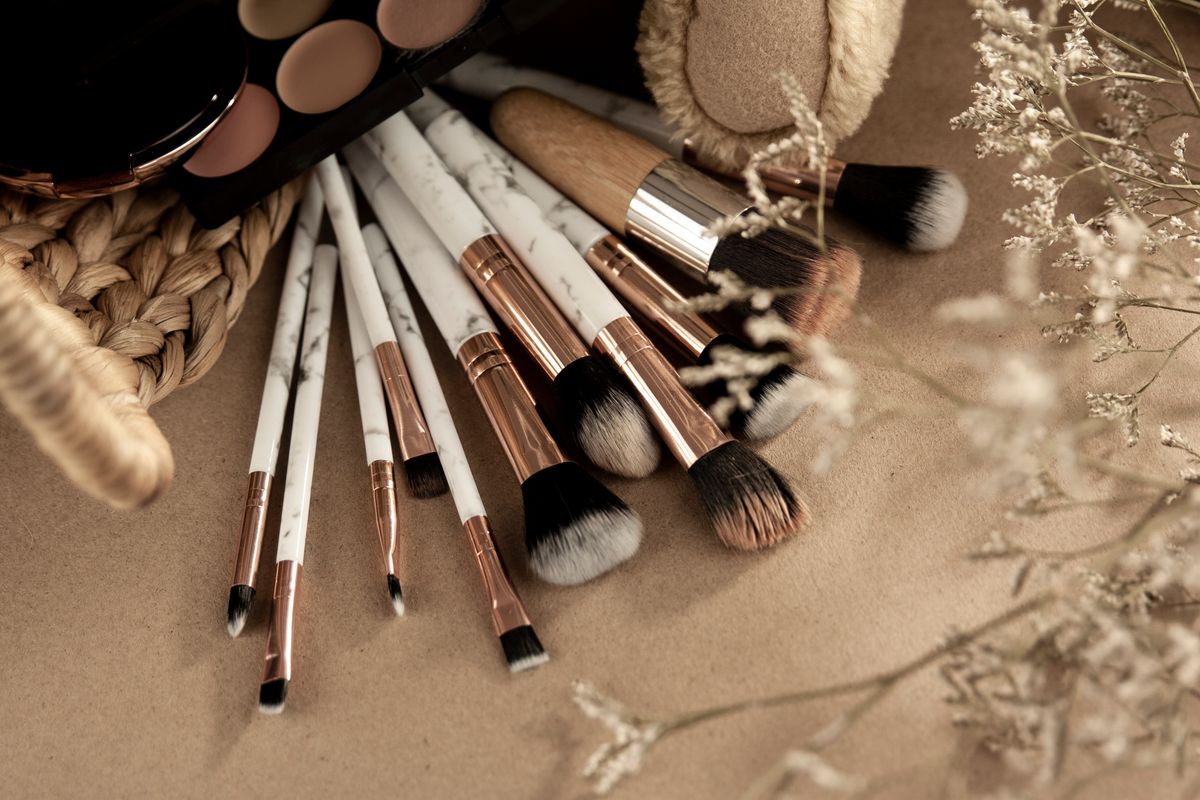
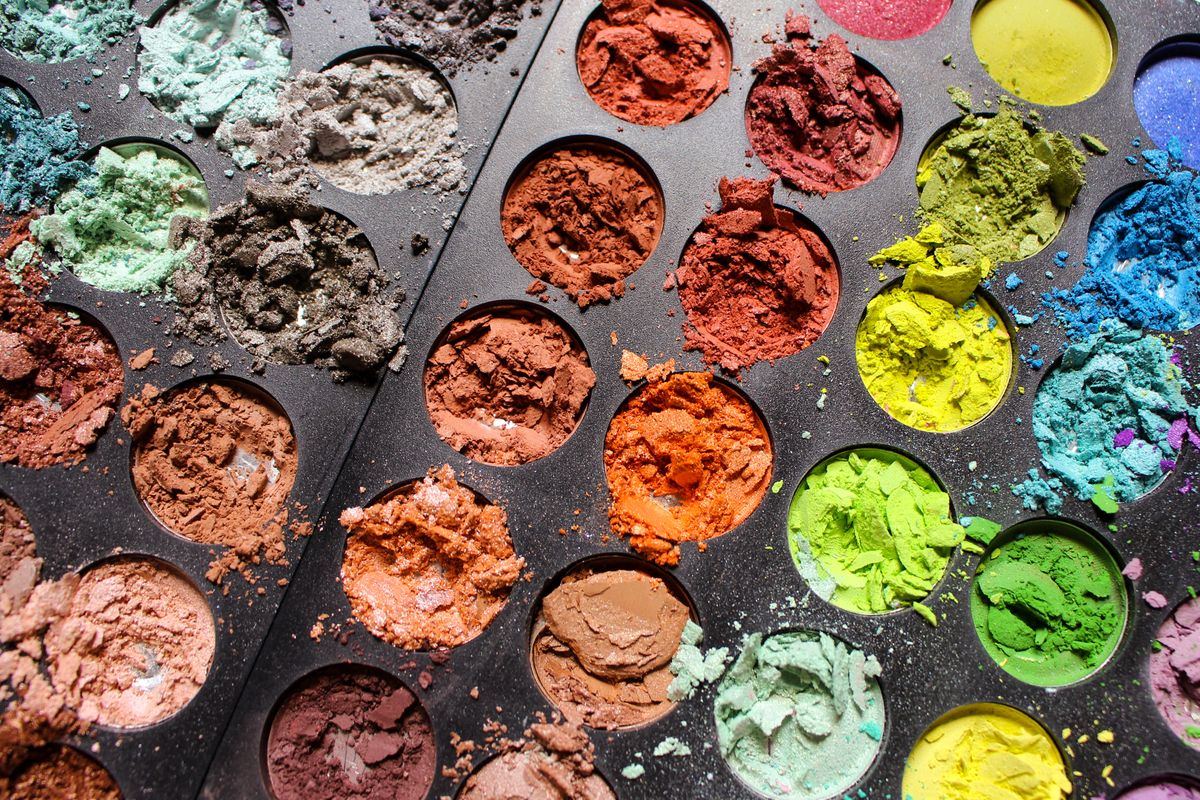
Product type does the rest. Powders, with almost no water to support microbes, genuinely last for years — a pressed blush outlives every liquid on the shelf. Creams and oil-based liquids go off on chemistry rather than contamination: rancidity, separation, color shift. Sharpening pencils shaves off the exposed surface and buys them time; washing brushes protects everything the brushes touch, including the blush placement work sitting underneath.
The working summary for the vanity: eye products obey the short clocks, powders forgive, and anything that smells off, separates, or changed texture goes out regardless of what the symbol says. A cool, dry drawer with tight caps is worth more than any calendar — and more base-layer logic lives in our makeup hub.
Frequently asked
- Can I use mascara past three months if it smells fine?
- With eye products, smell is a late indicator, not an early one. Bacterial growth in a mascara tube does not produce an odor at levels that matter, and eye infections from contaminated cosmetics are documented. The three-month convention exists precisely because nothing about the product warns you in time.
- Does unopened makeup expire?
- Yes, more slowly. Unopened products have a shelf life measured in years — EU rules exempt products lasting under thirty months from the open-jar symbol for exactly that reason. Heat and light still degrade formulas and pigments over time, so a cool, dark drawer beats a sunny windowsill.
- How do I check if sunscreen is expired?
- US sunscreens are regulated as over-the-counter drugs and carry a printed expiration date. If there is no date on the tube, the bottle predates the rule or the print has worn off. Separation, color change, or a sour smell are disqualifying — expired sunscreen protection is not reliably intact.