Makeup
Makeup brush care: frequency, soap, and drying right
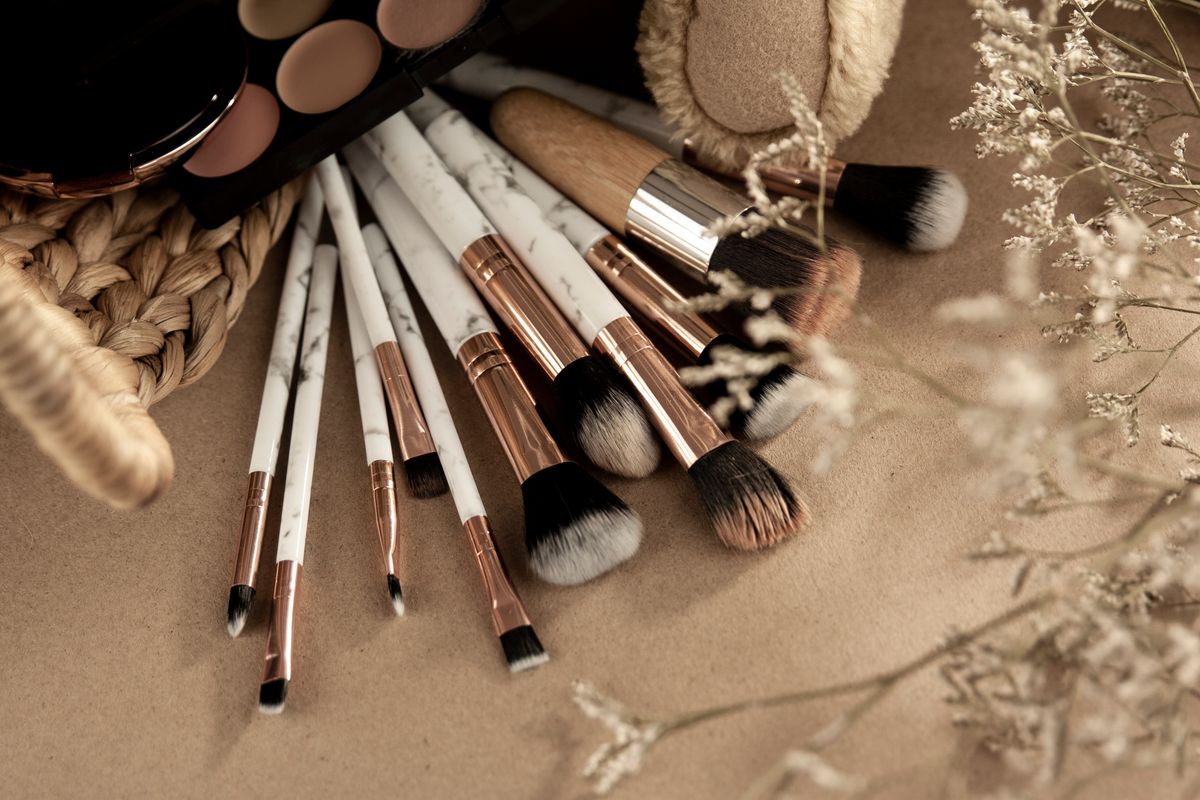
Brush cleaning frequency should follow what the brush touches — liquid product users wash weekly, powder users less, and the drying step decides brush lifespan.
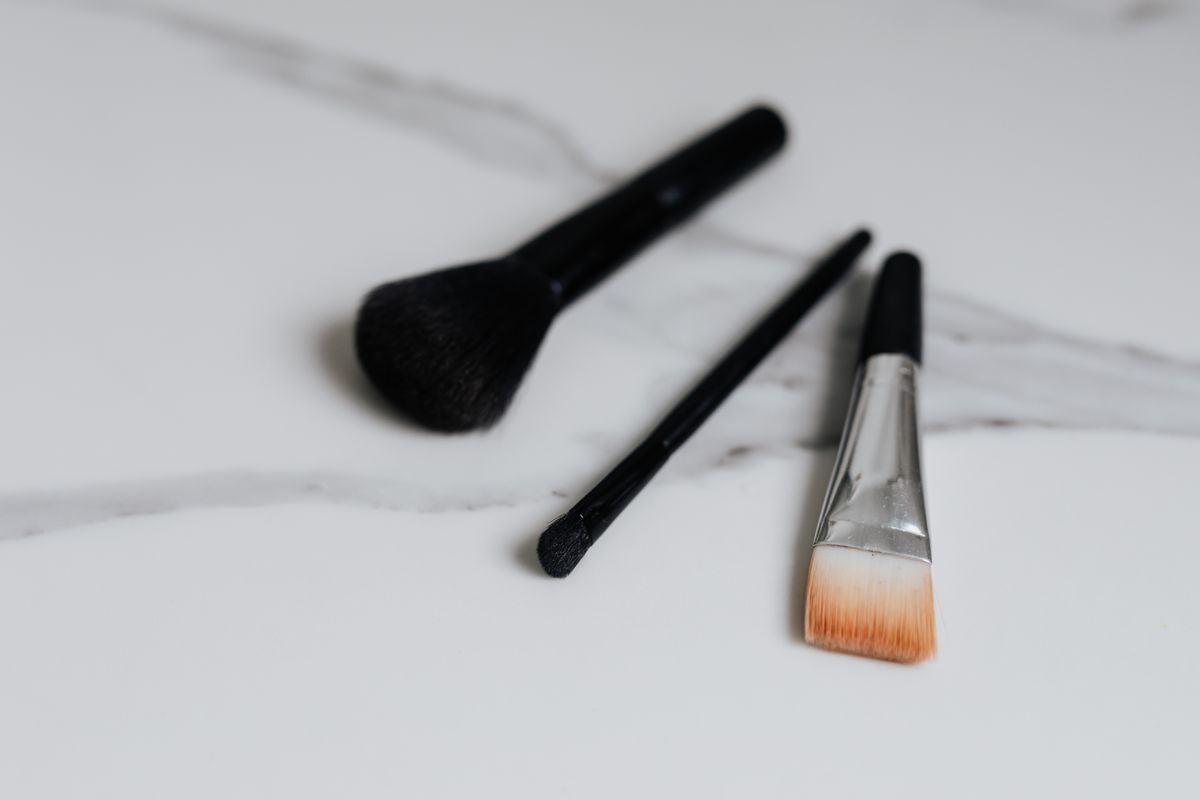
Brush cleaning advice runs from “never” to “after every use,” and the workable answer sits with what the brush touches. A foundation brush carries liquid product and skin cells every day; a powder eyeshadow brush barely soils at all. Wash by product type, use a neutral detergent in lukewarm water, and — the step that actually decides how long a brush lives — dry it shaped, lying down, with water never pooling in the metal collar.
Frequency follows the product, not the calendar
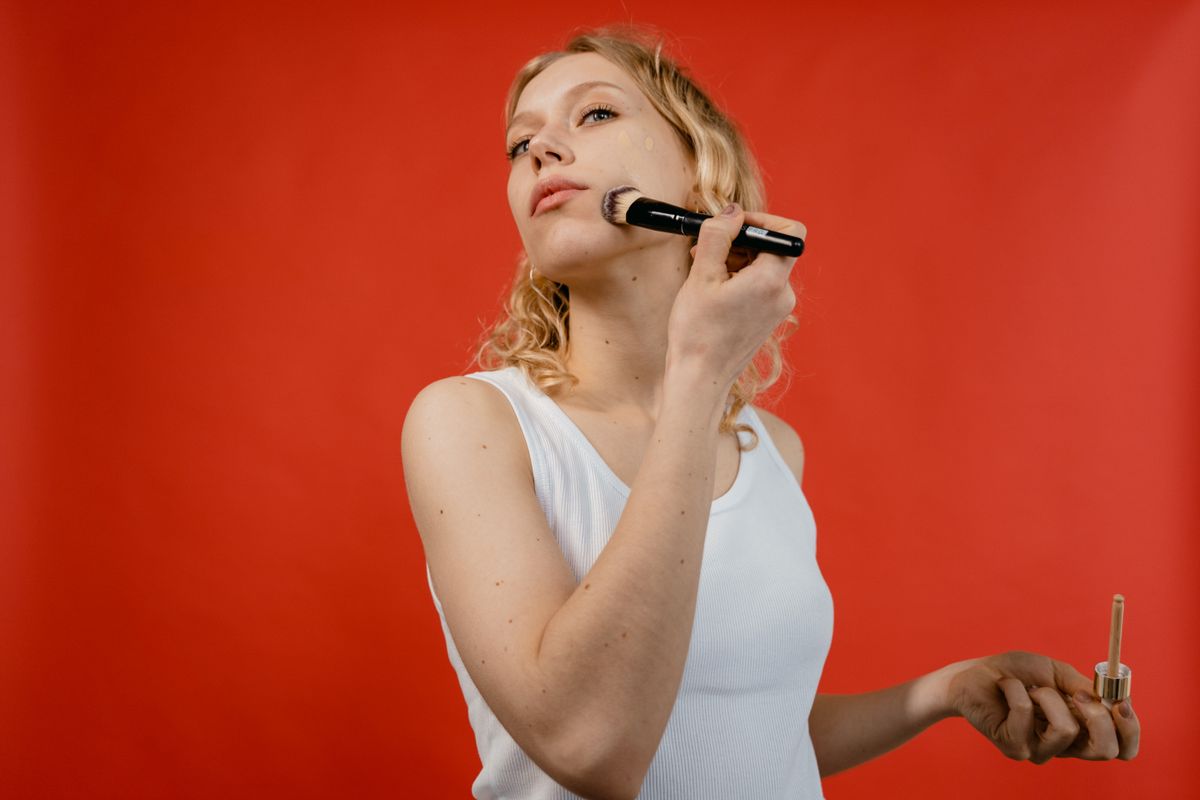
Tools that touch liquid or cream products — foundation brushes, concealer brushes, cream blush brushes, and every sponge — need a real wash about once a week. Those products stay moist inside the bristles, feed bacteria, and stiffen the head until the brush streaks. Powder-only brushes pick up little and can go two to four weeks between washes, with a fast spot-clean in between. Eye-area brushes deserve a shorter loop than the calendar suggests because the conjunctiva tolerates contamination poorly; the same logic that puts hard dates on mascara in our makeup expiry guide applies to whatever touches the lid line. Anyone managing acne-prone skin should treat weekly as a floor, not a target.
Neutral detergent beats most dedicated cleansers
The job is lifting sebum and pigment, and a drop of gentle shampoo or a pH-neutral soap in lukewarm water does it. Dedicated brush cleansers earn their place as sprays for spot-cleaning between deep washes — useful during a work week, not a substitute for a real wash. Two cautions are worth keeping. Hot water swells natural hair and loosens the glue in the ferrule, so lukewarm is the ceiling. And strong degreasing dish soap strips the natural oils from animal-hair bristles, which is why the shampoo aisle beats the kitchen for this job.
Natural hair versus synthetic fiber
Natural bristles are hair, in the literal sense: they have a cuticle and their own oils, and they behave like human hair in water. Strong detergent or long soaking leaves them dry and brittle, so the wash should be quick, mild, and followed by an optional light conditioner on large powder heads. Synthetic fibers — the taklon family — are non-absorbent plastic. They hold less product and release it easily under soap, tolerate firmer handling, and dry in half the time. That difference is also why liquids and creams perform more predictably on synthetics, while powder work favors the natural heads.
Drying is where brushes die
Most brush deaths are not wash deaths; they are drying deaths. Water that runs into the ferrule — the metal collar between bristle and handle — dissolves the adhesive anchoring the hairs, and shedding follows within a few washes. The routine that prevents it takes thirty seconds: squeeze water out with a towel, reshape the head while damp, then lay the brush flat over a table edge or angled slightly bristle-down so moisture drains away from the collar. Never stand a wet brush upright in a cup, and skip hairdryer heat on natural hair. Overnight air drying finishes the job.
Frequency by product type, mild soap, lukewarm water, and a flat dry — the whole discipline fits in one sentence. Brushes that get it last years; the ones that die early almost always drowned standing up. More tool-level how-tos sit in the makeup hub.
Frequently asked
- How often should I wash my foundation brush?
- About once a week. Liquid and cream products leave a moist film that feeds bacteria and stiffens bristles, and a saturated brush streaks the next application. Powder brushes can stretch to every two or four weeks, with a quick spot-clean between washes.
- Can I use regular soap to clean makeup brushes?
- Yes. A drop of gentle shampoo or a pH-neutral soap in lukewarm water removes oils and pigment as well as most dedicated cleansers. Save the dedicated sprays for spot-cleaning between deep washes, and keep strong degreasing dish soap away from natural-hair brushes.
- Why are my makeup brushes shedding?
- Almost always water in the ferrule. Wet brushes dried upright let water run into the metal collar and dissolve the glue that anchors the bristles. Blot excess water, reshape the head, and lay the brush flat or angled bristle-down until fully dry.