Makeup
Mascara technique: the Z-pull, the root comb, and clump recovery
Where the Z-pull beats straight combing, why curling comes before coating, how lower lashes get done with a vertical wand, and how to rescue clumps.
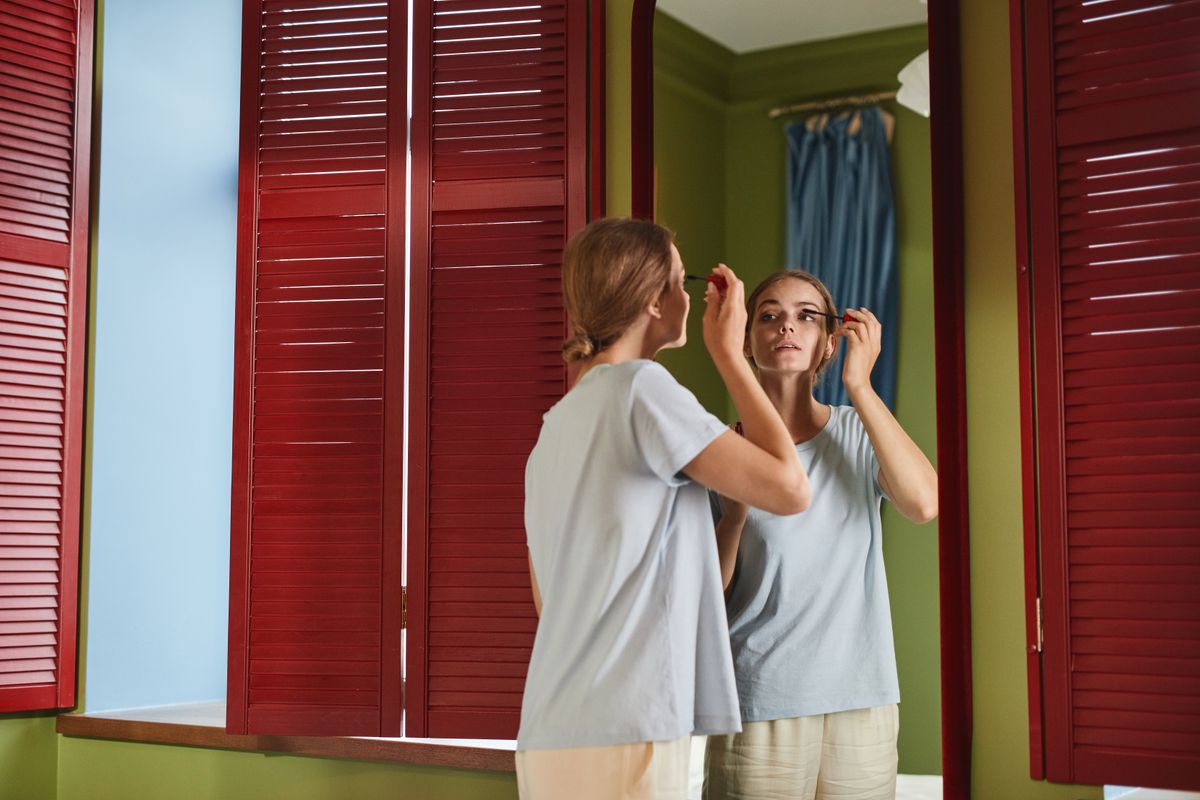
A clumpy, spidery lash line is usually a technique problem before it is a formula problem. Where the brush enters, how it travels, and what happens after the coat dries decide most of what the mirror shows. The method below follows the way working makeup artists describe the job, and it works on budget tubes as reliably as on prestige ones.
The Z-pull versus the straight comb
The Z-pull is the default stroke for upper lashes: set the brush at the root, wiggle it side to side in a small Z, then pull upward through the tips. The wiggle matters more than the pull — it deposits pigment at the base, where density reads as fuller lashes, and the upward drag distributes what is left toward the tips. A straight upward stroke skips the root entirely, which is why it produces length without volume.
The straight comb has its own job, and it happens after the coat. A clean spoolie, or the tip of the wand itself, combed straight up through the roots separates lashes that the Z-pull welded together. Second coats go on while the first is still wet; once it dries, adding more stacks clumps instead of color.
Curl first, coat, then re-curl the tails
Curl on bare lashes. The pad of an eyelash curler meets clean lashes with even pressure; meet mascara and the clamp can pull pigment off, transfer to the pad, and on old formulas grip hard enough to tug lashes out. The order is curl, coat, and — once the coat has mostly dried — a light re-curl on the outer third only. That second press lifts the tail lashes, which almost always droop first, and it sets the angle the first curl missed. Pressure stays light there: a firm clamp on dried mascara is where the snapping stories come from.
Lower lashes want a small head and a vertical wand
Full-size brushes are built for the upper line and are too wide for the lower one. A small-head brush, or the wand held vertically so the tip does the painting, reaches the lower root without stamping color onto the cheek. Paint root to tip with the side of the bristles in short strokes, and hold a tissue or a card under the line while learning. Horizontal sweeps are the usual cause of panda speckling by midday, because a wide brush on a narrow lid line has nowhere to go but skin. A thin coat is enough; the lower line reads darker than the upper one at equal pigment.
Clump rescue, and when the tube is done
Clumps respond to combing while the coat is still tacky — fully dried mascara drags rather than separates. A clean spoolie or a dedicated metal lash comb does most of the work. For a welded pair that survives combing, a clean toothpick and a steady hand at a mirror can split them; it is fiddly, but it beats starting over.
The tube itself has a schedule. When a once-fluid formula thickens or smells off, no technique will save it, and the standard convention is roughly three months after opening. The same clock applies to any tube mascara, waterproof or not — our comparison of tube and waterproof formulas covers how removal method changes the choice, and the full shelf-life map covers what each product owes you and when.
Technique, not price, does the work here. Enter at the root, travel in a Z, separate after, and replace the tube on schedule — the mirror will confirm the rest.
Frequently asked
- Should you curl your lashes before or after mascara?
- Before, on clean lashes, where the curler can grip evenly and nothing transfers to the pad. The one exception is a light re-curl on the outer third after the coat has mostly dried, which lifts tail lashes. A firm clamp on wet mascara smudges; on thick dried mascara it can snap lashes.
- How do you fix clumpy mascara lashes?
- Comb through with a clean spoolie or a metal lash comb while the coat is still slightly tacky, then split any remaining welded lashes with a clean toothpick. If the formula itself has thickened, no comb will help — a tube past about three months usually needs replacing.
- How long does an opened mascara last?
- The working convention is about three months, set by how fast eye products pick up bacteria and how quickly the formula dries out. Thickening, dragging, or any smell is an earlier signal. Eye-area products are the ones worth replacing on schedule rather than stretching.