Hair & Fragrance
How to store perfume, and how long it actually lasts
Light, heat and humidity swings decide a perfume's lifespan — where to store the bottle, when citrus top notes go first, and whether the fridge helps.
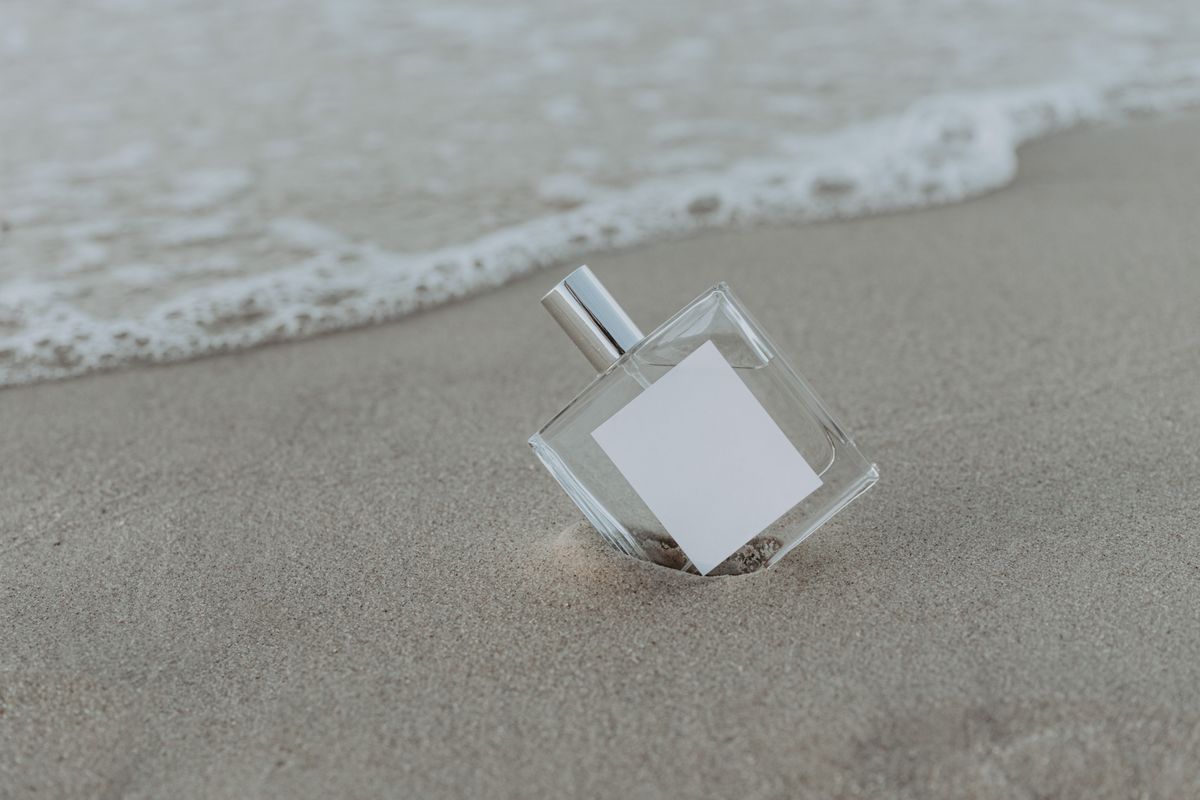
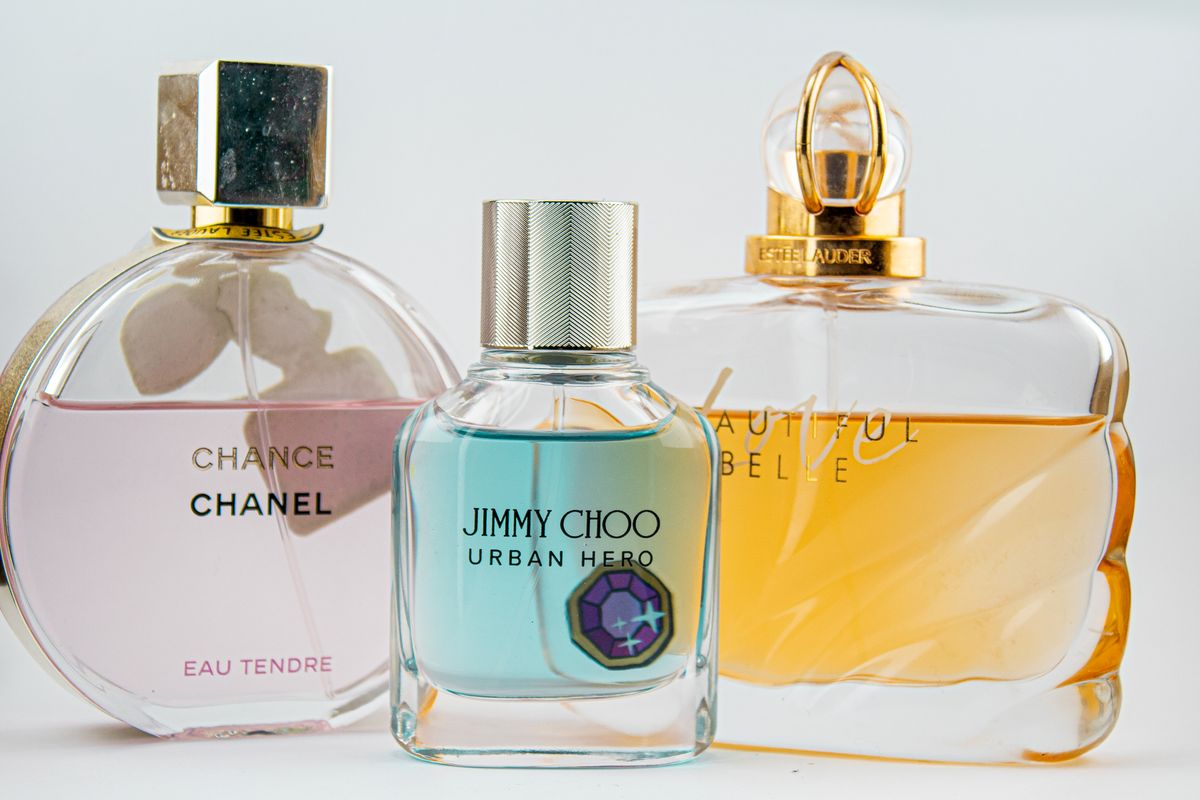
A bottle of perfume is a slow chemical argument with the air, and storage decides who wins. The same eau de parfum can stay true for years on a bedroom shelf and turn dull in months on a sunny bathroom ledge. The variables are unglamorous — light, heat, humidity — but each one maps to a real failure mode in the juice. Here is what shortens a bottle’s life, how long the different windows run, and where the refrigerator actually stands.
The three enemies: light, heat, humidity
Ultraviolet light breaks fragrance molecules apart — it is why bottles come in amber glass and cardboard boxes, and why a perfume displayed on a windowsill is aging at double speed. Heat accelerates oxidation, the reaction that turns bright top notes stale; a bathroom cabinet above the radiator is a slow oven. Humidity and temperature swings attack the closure: daily expansion and contraction draw air into the bottle, and air is what oxidizes the contents. This is the case against the bathroom shelf, the most common and worst storage spot — steam, temperature oscillation, and light all in one room.
Lifespan windows: sealed and opened
Unopened, boxed, in a cool dark place, a perfume commonly keeps for years — the general window quoted runs from roughly three to five and beyond, and house stock stored well often outlasts it. Opened, oxygen in the headspace starts working immediately, and the top notes go first: citrus and other light materials oxidize fastest, which is why an aging bottle smells flat before it smells wrong. Heavier structures — woods, ambers, vanillas — hold noticeably longer. These windows are rough by nature: no house prints an expiration date, and the true clock runs on ingredients and storage, not the purchase receipt.
Reading a bottle that has changed
The visible sign is color: a slow shift toward amber or deep brown beyond the original shade suggests oxidation is underway. The nose gives a clearer verdict — a sour, vinegary sharpness in the opening, or a flat, crayon-like edge where brightness used to be. The subtle version is not spoilage at all, just the top note collapsing, leaving the heart and base to stand alone. None of this is dangerous; degraded perfume smells worse, not toxic.
The fridge question, and clothes versus skin
The refrigerator is dark and cool, which scores well — until you weigh the humidity and food odors, plus the condensation on every bottle that travels in and out. A dedicated wine fridge solves those problems for collectors; for everyone else, a drawer or closet away from the window achieves most of the benefit. On wear: fabric holds scent far longer than skin, since sebum and skin chemistry chew through fragrance oils faster than cotton does — our piece on EDT versus EDP covers why concentration also moves the clock. The trade is staining risk, worst on silk and pale fabrics, so test on an inner hem first. More on reading the juice itself sits in the rest of our hair and fragrance guides.
Boxed, shaded and temperature-stable beats every gadget. The best storage room is the boring one.
Frequently asked
- Does refrigerating perfume make it last longer?
- A dedicated, stable wine-style fridge can help; the household refrigerator is a mixed deal. It is dark and cool, but humidity is high, food odors migrate, and every trip to the counter swings the bottle through a temperature change with condensation as a bonus. A cool, dark drawer or closet achieves most of the benefit with none of the risk.
- How do I know if a perfume has gone off?
- Watch for two signals: the liquid darkening noticeably beyond its original color, and a sour, vinegary or crayon-like sharpness in the opening. A collapsed top note — the scent feeling flat and skipping straight to the heart — marks the quieter version of the same decline.
- Does spraying perfume on clothes make it last longer?
- Usually yes, sometimes by many hours, because fabric holds fragrance oils that skin chemistry and sebum break down faster. The trade is risk: oils can stain, and silk and light-colored fabrics are the most exposed. Test on an inner hem before making it a habit.