Skincare
Retinol sandwich method: what the buffer order buys and what it costs
Moisturizer, retinoid, moisturizer: the sandwich order slows retinol contact to cut irritation, at the cost of potency. Who should start buffered, and when to stop.
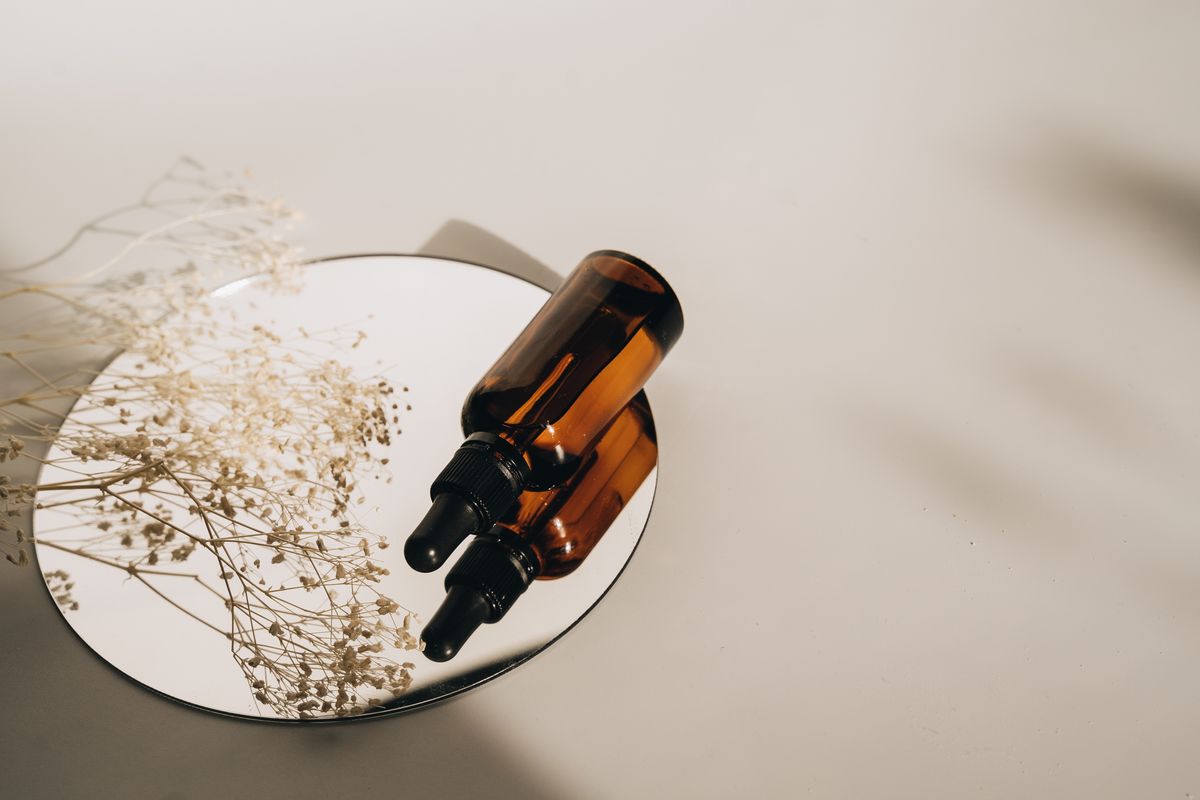
The retinol sandwich is exactly what it sounds like: a layer of moisturizer, the retinoid applied on top, a second layer of moisturizer over that. The method is popular because it does something real. It lowers irritation for most people who try it — and it lowers results too, by the same mechanism. Knowing which of those matters more for your skin is the whole decision.
Two effects, one mechanism
Retinoid irritation tracks with how much active reaches the skin surface at once and how fast it gets there. A moisturizer underneath spreads and dilutes the retinoid film; the layer on top adds a second barrier the active has to cross. Dermatology guidance for starting retinoids — the American Academy of Dermatology’s patient materials among it — has long suggested pairing them with moisturizer to blunt dryness. The sandwich simply formalizes that advice into an order.
Notice what it does not do: preserve full potency while removing the sting. Slowing and diluting contact is the point, and the same physics that reduces flaking reduces delivery. The two effects are mechanically linked, so a routine claiming both deserves skepticism.
Who should start buffered
Three groups get the clearest benefit. First-time retinoid users, whose main risk is quitting after a rough first month. Skin that runs reactive — rosacea-prone or easily flushed — where a full-strength film invites redness the skin does not need. And anyone starting in winter or in dry indoor air, when the barrier is already working overtime.
The moisturizer itself is the least critical part. A plain ceramide-and-glycerin cream in the CeraVe or Vanicream style does the job; nothing premium is required, because its role here is physical, not active.
When to graduate
The cost of buffering is slower, less predictable progress — a diluted dose on a delayed schedule. That is a worthwhile trade for the first stretch, and a bad habit by month three. The graduation signal is boring and reliable: two to three weeks of direct application with no stinging and no tightness the morning after. Drop the bottom layer first and keep the top one, which lands halfway between buffered and direct.
If skin objects, the fallback is not giving up. Frequency is the gentler lever — nightly buffered use versus two direct nights a week delivers a similar weekly total with less drama per session.
The one-line version
Sandwich when starting, when skin is reactive, or when the season is hostile. Graduate when those conditions end, and read concentration on the label rather than letting the buffer do all the adjusting — the ladder from low to high strength is a separate decision. Pairing either route with an occlusive at night only works once the barrier has settled; the slugging guide covers when that helps and when it backfires.
Frequently asked
- Does the retinol sandwich make retinol useless?
- No, but it weakens it. The moisturizer layers dilute the dose and slow delivery, which is precisely the mechanism that reduces irritation. Skin still gets retinoid activity — many people see gradual results on a sandwiched routine — just slower and less predictably than direct application at the same strength.
- Should moisturizer go before or after retinol?
- Both positions have a job. A layer underneath dilutes contact at the skin surface and covers the areas that sting first, like the nose creases. A layer on top seals and eases post-application dryness. The full sandwich uses both; you can also keep only one, which sits between buffered and direct.
- Can I use the sandwich method every night?
- Yes, and frequency is the better lever anyway. Nightly buffered use builds tolerance with less drama, while direct application two nights a week delivers more per session. Pick one lane for several weeks before judging results, then adjust based on how your skin actually behaves.