Skincare
Sheet masks: what one dose of hydration actually does
A sheet mask is one hydration event with occlusion behind it — what the soaked fabric does, what the serum packet doesn't, and when daily masking stops paying.
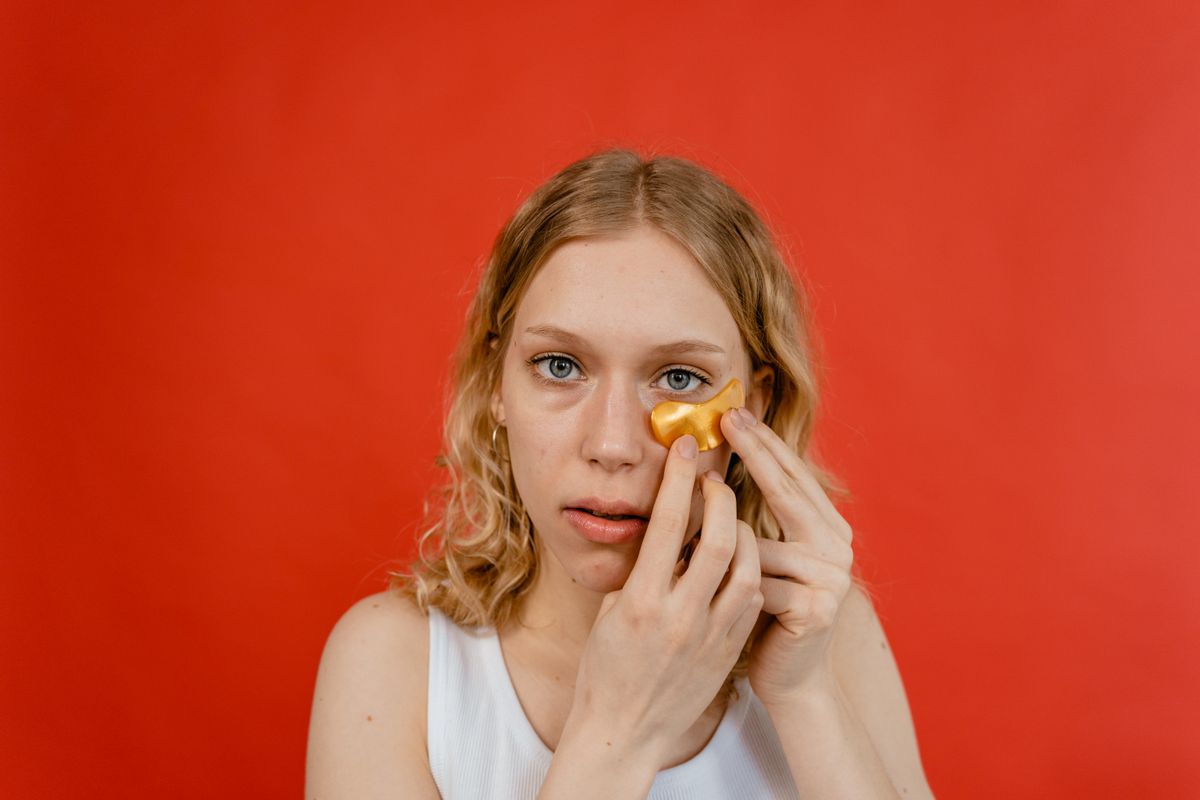
A sheet mask promises a spa in a foil packet, but its mechanism is modest: one dose of humectants, held against the skin by an occlusive cloth. That single event genuinely does something — fine lines plump, skin reads dewier for an evening — and it fades within hours. The mask is therefore an event tool rather than a habit, and the serum in the packet is less miraculous than the packaging implies.
What the soaked fabric is doing
The cloth is a delivery system for water and humectants (glycerin, hyaluronic acid, and butylene glycol in most formulas). Pressed against the face for fifteen to twenty minutes, it blocks evaporation and drives water into the outer layer; the visible result is transient hydration of the stratum corneum. Dehydration creases flatten temporarily, and makeup applied afterward sits on a smoother surface. The same occlusion also enhances penetration of whatever actives ride along — the same principle that makes a petroleum jelly layer over a night cream work, as covered in our guide to slugging and occlusives. What the mask does not do is restructure anything. The gain is a well-watered outer layer, not new collagen.
The serum is not the product
Packets advertise “a full bottle of essence,” but most of that liquid never leaves the cloth or sits on the skin’s surface waiting to be patted in. The essence itself is mostly water, humectants, and the preservative system any wet product needs to stay shelf-stable — plus fragrance in a large share of lines. That makes price per gram a strange metric here: a bottled serum is concentrated and dosable, while a mask’s essence is pre-diluted by design and partly delivered to the towel. The mask’s value is the fabric session, not a bonus bottle. Judged on the serum alone, most masks would lose to any mid-range humectant serum at a fraction of the cost per gram.
The rescue-face case
Where masks earn their price is the event window. Skin tight after a flight, or dull after a week of short sleep — these are dehydration states, and one hydration event with occlusion visibly improves both. Photographers and makeup artists reach for them for the same reason: plump skin takes base products better for a few hours. Lying down adds nothing chemically; it only stops the cloth from sliding. In that setting the transient result is the point, and the mask is a fair purchase even at a premium per use.
Daily masking, diminishing returns
The hydration effect peaks at removal and decays within hours, so daily sessions stack little on top of a decent moisturizer — the barrier work happens between sessions, not during them, as our winter barrier routine guide lays out. What does accumulate is exposure: every session adds preservatives and fragrance to the same skin area, an unfavorable trade for reactive or eczema-prone skin, and prolonged occlusion can aggravate folliculitis-prone skin. Two or three sessions timed to events is the rational ceiling; beyond that, the money converts better into a single good moisturizer.
A sheet mask is a single hydration event with occlusion behind it, and it is honest about nothing more. Used around events, it delivers exactly what it shows in the photo. Used daily, it mostly delivers preservative exposure and an expensive way to dampen your face.
Frequently asked
- What does a sheet mask actually do for skin?
- It delivers one dose of water and humectants while the cloth blocks evaporation, so the outer layer becomes temporarily well-hydrated. Fine lines that are partly dehydration look plumper and skin reads dewier. The effect peaks at removal and fades within hours, which is why it works best as an event tool.
- Is the serum in a sheet mask wasted?
- Most of it never leaves the cloth or sits on the skin's surface, and it is diluted by design. The packet's essence is mostly water, humectants, and the preservatives a wet product needs for shelf stability. Weighing the whole packet as a serum bottle equivalent overstates what the fabric can hand over.
- Can you use a sheet mask every day?
- It is safe for most skin but buys little: the hydration benefit does not stack meaningfully on top of a decent moisturizer, while every session adds preservatives and fragrance to the same area. For reactive or breakout-prone skin, two or three sessions around specific events is the rational ceiling.