Body & Bath
Urea and lactic acid body lotions, priced per gram
Eucerin, AmLactin and Kerasal compared by active and per-gram cost — why the keratolytic you need depends on the body part, not the price tag.
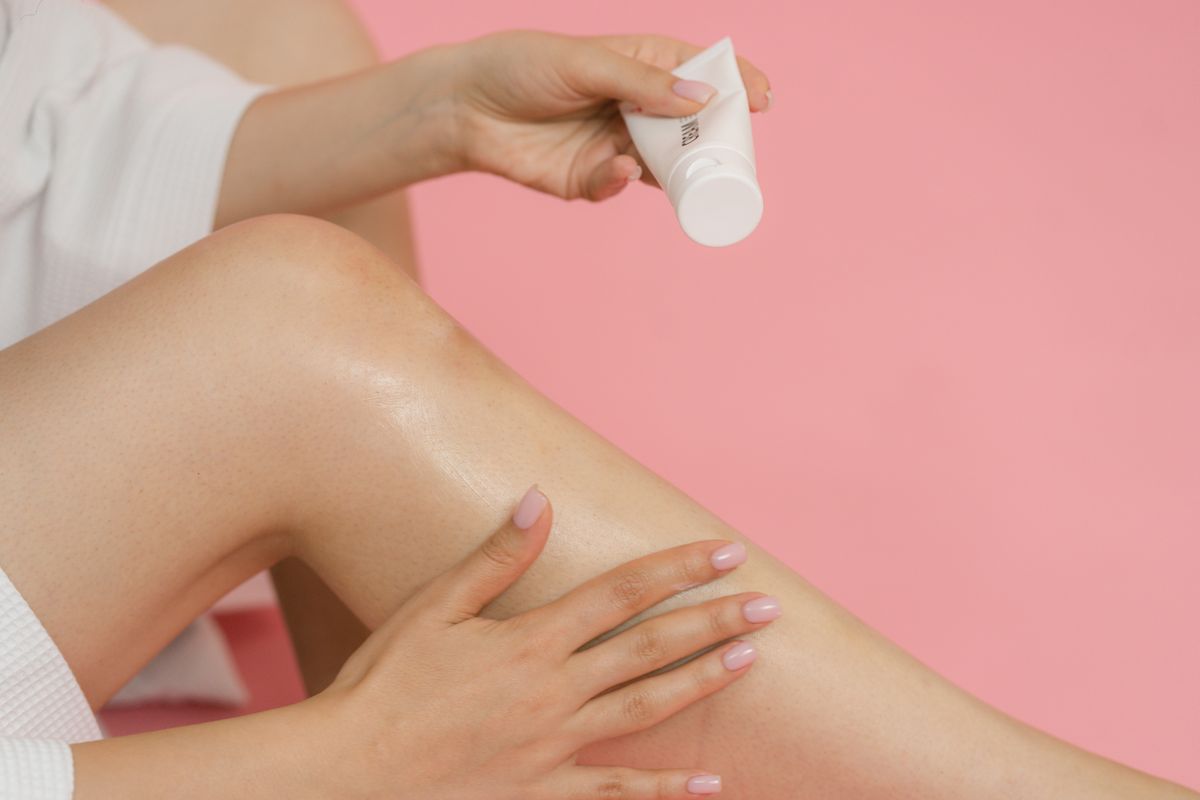
Body lotions that promise to smooth rough skin nearly all work through one of two ingredients: urea or lactic acid. Both are keratolytics — they loosen the bonds between dead skin cells so roughness sheds instead of building — but they are not twins, and the body-part matching matters more than the brand.
This comparison puts the three most widely stocked formulas in US retail side by side, with the same per-gram math we use for serums. The sticker prices span $12 to $26, but per gram the spread is wider — and the cheapest bottle is not the one you might guess.
What urea actually does, past the wrists
Urea is the odd ingredient in cosmetics: it is both a humectant and a keratolytic, depending on concentration. Below about 10 percent it mostly binds water; at 10 percent and above, its protein-loosening action becomes meaningful.
That dual behavior is why dermatology formulas reach for it when skin is both dry and rough at once — the water-binding and the smoothing arrive in the same molecule.
Eucerin’s UreaRepair PLUS Lotion 10% is the benchmark expression of this. The base is deliberately plain: minimal fragrance, fast-absorbing, built to be used all over. At roughly $0.10 per milliliter it sits mid-pack on price, and it is the one to reach for when the roughness is widespread — shins, arms, backs of hands.
Lactic acid: the exfoliation-first option
AmLactin Daily takes the other road: 12% ammonium lactate, an AHA that works primarily by exfoliation, with humectant action as a side benefit. It has been the drugstore standard for decades because nothing else in its aisle matches its arithmetic: a 423 milliliter bottle at around $12 lands near $0.03 per milliliter. That is roughly a third of the Eucerin.
The tradeoff is tolerance. Lactic acid stings on freshly shaved skin and on any broken barrier; cracked heels feel it too. The sting is the acid working, but it is real. If your skin flinches at glycolic toners, start with urea instead.
The specialist case: feet
Heels and soles are a different engineering problem. The stratum corneum there is many times thicker than on the forearm, and a lightweight all-over lotion simply underperforms.
Kerasal’s Intensive Repair puts 10% urea in a petrolatum-rich base made for that job — occlusive enough to stay put overnight, keratolytic enough to matter.
Per milliliter it is the most expensive of the three (~$0.14), and that is fine: you are not buying a body lotion, you are buying a foot cream, and comparing it per gram to the other two is a category error the same way comparing a serum to a cleanser would be.
Matching the active to the job
Widespread roughness with dryness: Eucerin’s 10% urea, all over. Chronic bumpy texture, maximum value, and skin that tolerates acids: AmLactin. Heels and soles specifically: Kerasal, ideally overnight under socks. None of these needs a layering partner for the job it does — and none of them, per the labels, claims more than that.
The picks
Some links below are affiliate links — we may earn a commission at no extra cost to you.
Urea and lactic acid are the two workhorse keratolytics in body lotions, and they are not interchangeable: urea also pulls water into the skin, lactic acid leans on its exfoliating AHA action. Per gram, AmLactin is the cheapest of the three here and the Eucerin sits mid-pack; Kerasal costs the most per gram but is formulated for the hardest skin on the body. Match the active to the body part before you compare prices.
Eucerin UreaRepair PLUS Lotion 10% Urea
$25.99 $0.10/gEucerin (Beiersdorf)
The benchmark 10% urea body lotion: humectant and keratolytic in one, on a minimal fragrance-free base. This is the one for widespread roughness — arms, shins, backs of hands — where you want water-binding and smoothing from the same ingredient.
- Size
- 250 ml
- Keratolytic
- Urea 10%
- Fragrance
- None declared
- Body area
- All-over body
AmLactin Daily Moisturizing Lotion 12%
$11.99 $0.03/gAmLactin (Upsher-Smith)
The per-gram winner, and the classic 12% lactic acid lotion: exfoliation-first, humectant second. It can sting on freshly shaved or cracked skin — that is the AHA working — but for chronic bumpy texture at this size-per-dollar it has no real competitor.
- Size
- 423 ml (14.1 fl oz)
- Keratolytic
- Ammonium lactate 12%
- Fragrance
- Light characteristic scent
- Body area
- All-over body
Kerasal Intensive Repair Foot Moisturizer 10% Urea
$12.99 $0.14/gKerasal
The specialist: 10% urea in a petrolatum-rich base made for heels and soles, where skin is thickest and a lightweight body lotion underperforms. Highest per-gram cost of the three, but it is doing a job the other two are not formulated for.
- Size
- 90 ml
- Keratolytic
- Urea 10%
- Base
- Petrolatum-rich ointment-cream
- Body area
- Feet, heels, soles
| Specification | Eucerin 10% | AmLactin 12% | Kerasal 10% |
|---|---|---|---|
| Active | Urea 10% | Ammonium lactate 12% | Urea 10% |
| Quoted size | 250 ml | 423 ml | 90 ml |
| Price on page | $25.99 | $11.99 | $12.99 |
| Approx. per ml | ~$0.10/ml | ~$0.03/ml | ~$0.14/ml |
| Best for | All-over roughness | Bumpy texture, value | Heels and soles |
Where these numbers come from
- Eucerin US — UreaRepair PLUS Lotion 10% product page.
- AmLactin — Daily Moisturizing Lotion product page.
- Kerasal — Intensive Repair Foot Moisturizer product page.
Frequently asked
- Is 10% urea too strong for daily use?
- No — 10% is the standard working concentration for body lotions and is labeled for daily use. The sting threshold is lower for urea than for lactic acid; the main caution is applying it to freshly shaved or cracked skin, where any keratolytic will prickle.
- Can I use a urea body lotion on my face?
- These three are formulated and tested for the body. Facial skin tolerates actives differently, and facial products are engineered at different pH and base systems — use a facial product for the face and keep the body lotions below the jaw.
- How long until rough skin feels smoother?
- Keratolytic lotions show texture change within days to weeks because the smoothing comes from accelerated natural shedding, not from filling anything in. Consistency matters more than strength — a 10% product used daily outperforms a stronger product used occasionally.