Body & Bath
Foot care basics: callus, urea, and the heel routine
Heel callus is load-bearing protection rather than a flaw — what urea percentages do, how to tell fungus from dryness, and the overnight sock method that works.
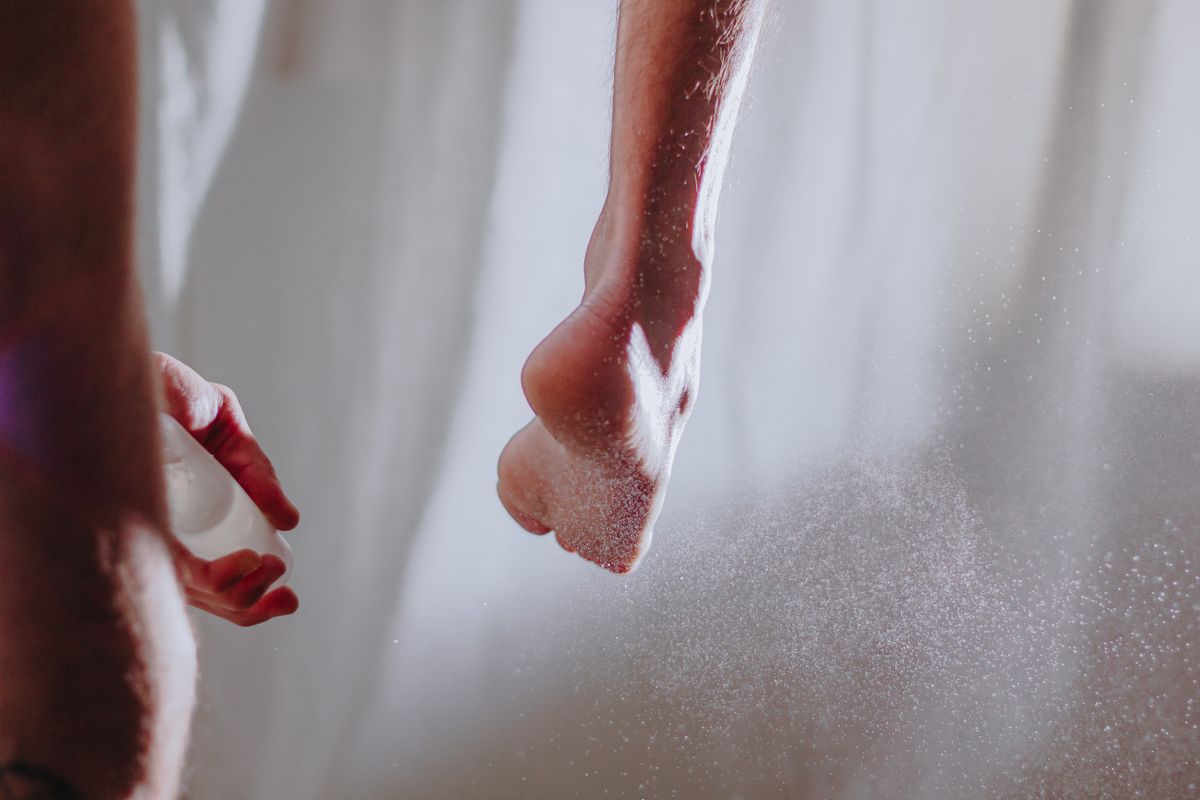
Foot care has a different goal than the rest of body care, and most products misstate it. Elsewhere the aim is smooth skin; on feet, a certain amount of thickness is doing a job, and the routine works when it manages that job instead of declaring war on it.
The callus is doing a job
Heel and sole skin thickens because of load. Every step presses hundreds of pounds of force per square inch through a small patch of skin, and the stratum corneum responds the way skin always does to repeated pressure — it builds more layers. That heel plate is protection, not a defect, and sanding it down to baby-soft every week removes the cushion your walking depends on. The sensible target is supple and moderate: thick enough to cushion, soft enough not to crack. Cracks — fissures — are what happens when a thick plate dries out and splits under load, so moisture is the maintenance, not elimination.
The urea percentage ladder
Urea is the ingredient with the clearest mechanism here, and the percentage on the front is the label to read. Around 10 percent, urea works mainly as a humectant — it binds water into the plate and keeps it flexible. From 20 to 25 percent, its keratolytic side takes over, loosening the bonds between dead cells so the thickness thins gradually. That is why drugstore foot care splits into a daily tier (Eucerin’s UreaRepair foot cream sits at 10 percent) and an intensive tier (Kerasal’s 10-percent-urea ointment in a petrolatum base, or the 20-plus creams sold as “callus” formulas). We compared the body-level versions of this ladder in our urea body lotions guide; the same concentration logic applies below the ankle.
Fungus or dryness: read the pattern
Peeling feet get misdiagnosed in both directions, and the treatment is opposite. Dryness is symmetric and boring: fine flaking over heels and soles, little or no itch, better with any moisturizer. Athlete’s foot — tinea pedis — announces itself by location and texture: itch that concentrates between the toes, damp-looking maceration there, or scaling with a defined edge spreading across the sole, often worse after a day in shoes. Moisturizer does nothing for fungus; an over-the-counter antifungal is the actual treatment, and a pharmacist can settle a doubtful case faster than a fourth cream can.
Shoes, corns, and the overnight method
Corns and calluses are both pressure responses — a callus is diffuse, a corn is a concentrated hard core that forms over a bone where a shoe seam or tight toe box grinds the same spot daily. No cream fixes a corn while its shoe keeps making it; pressure management comes first, in wider footwear or padding, before anything else touches it.
The home routine that carries most of the load is unglamorous. Wash and dry thoroughly, including between the toes — damp toe webbing is where fungus starts. Use a pumice briefly on soaked, softened skin, never on dry hard heels. Then at night: a thick layer of urea cream or an occlusive ointment on the heels, cotton socks over it, and let the hours do the occlusion work. Morning heels will tell you within two weeks whether the routine earns its keep. A warm soak with plain products fits the same rhythm — see our bath soaks guide for what the water itself can and cannot do.
Frequently asked
- Should I shave or cut off my calluses?
- No — razors and callus shavers belong to podiatry offices, not home bathrooms. Cutting risks taking living skin with the dead, and any break in the foot's skin is slow to heal and infection-prone. People with diabetes or circulation problems should not trim calluses at home at all. Softening with urea and gentle pumice on soaked skin is the safe route.
- How do I tell athlete's foot from plain dry skin?
- Look at location, itch, and symmetry. Fungal itching concentrates between the toes, often with damp-looking peeling or a scaly edge, and it is usually worse after warmth and sweat. Dryness shows as fine, symmetric flaking across weight-bearing surfaces with little or no itch. If the pattern is itchy, asymmetric, or spreading, an antifungal — not a moisturizer — is the treatment.
- Does walking barefoot cause calluses?
- Indirectly, yes — anything that concentrates pressure or friction builds callus, and barefoot walking on hard floors does both. Shoes with a hard seam or narrow toe box do the same at specific points, which is how corns form. The fix is pressure management first: cushioned surfaces and roomy footwear, then urea for the thickness that already exists.